OpenCart
The best open-source and FREE eCommerce platform.
A genuinely free OSS storefront for tech-comfortable teams; the paid cloud tier adds managed hosting but at a premium price.
Community ratings
Third-party ratings shown verbatim; aggregate weighted by review volume.
OpenCart — free open-source self-hosted eCommerce platform with an optional paid cloud tier.
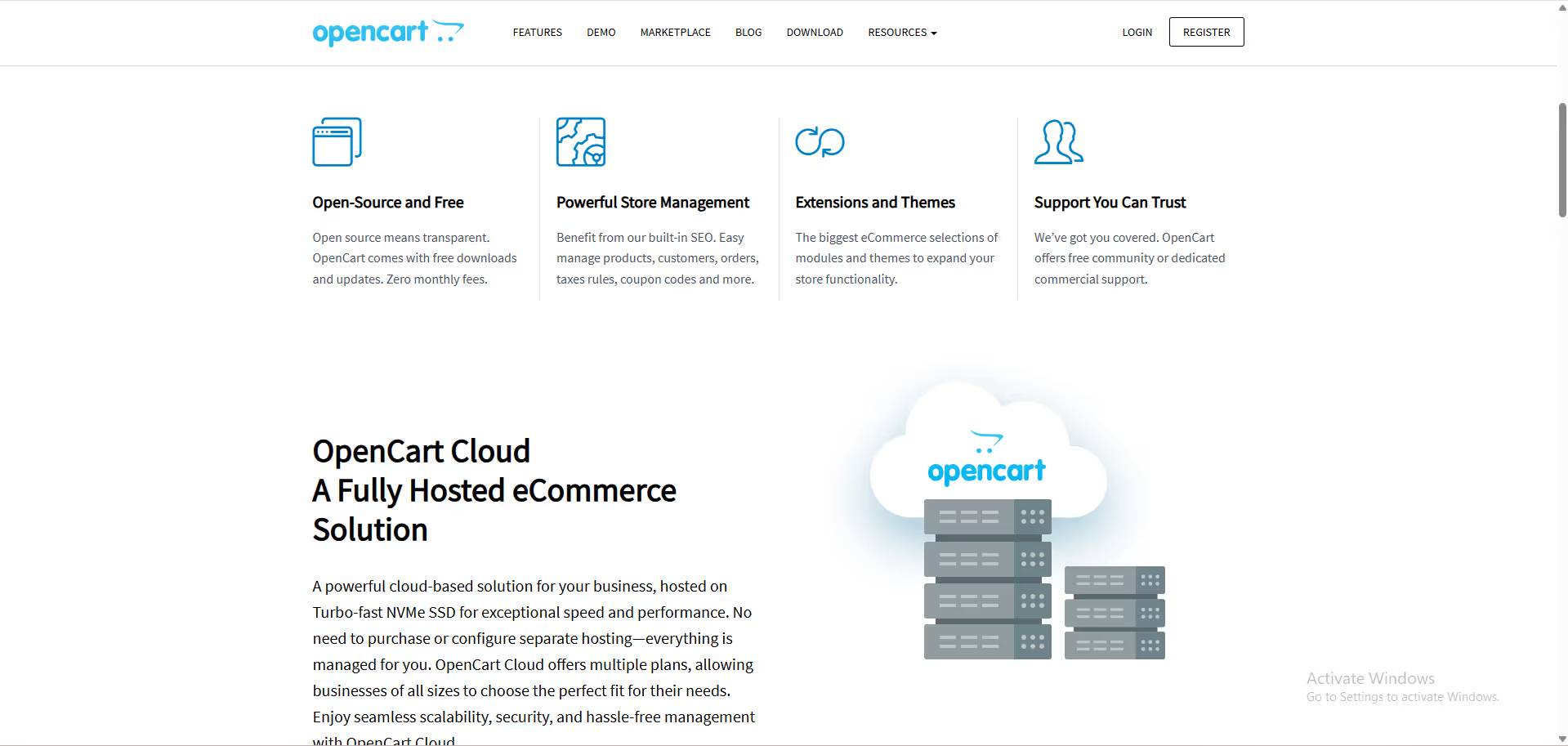
OpenCart is a mature, MIT-licensed shopping-cart solution that anyone can download and run at zero software cost. Self-hosting is free, and OpenCart also offers an official managed cloud (OpenCart Cloud, launched April 2023) starting at $59/mo, making the full picture freemium. It sits between lightweight hosted builders and heavy-duty platforms like Magento, offering 13,000+ marketplace extensions and multi-store support without licensing fees.
OpenCart delivers a full-featured storefront at no software cost — a hard value proposition to beat for teams with in-house technical capacity. The extension ecosystem fills most functional gaps, and multi-store management from one admin is a genuine differentiator for agencies.
The free self-hosted path demands real technical effort: server setup, security patches, performance tuning, and plugin compatibility management all fall on you. Core UI feels dated versus modern SaaS alternatives, and many must-have features (abandoned cart, advanced SEO, subscriptions) require paid extensions that add up fast.
A look inside
Frequently Asked Questions
Alternatives
WooCommerce (WordPress-based) or PrestaShop for richer native features; Shopify for fully managed at scale.
WooCommerce free tier or Square Online for simpler self-service setup with no server management.
Tags
Explore related categories
Conversion Gems independently reviews every tool. We may earn a commission if you sign up through our links — it never affects our verdict or ranking.