Sitebulb
A powerful website crawler and audit tool designed for SEO professionals, offering in-depth analysis and visual reporting.
The go-to visual SEO crawler for agencies and consultants who want thorough, client-ready technical audit reports.
Community ratings
Third-party ratings shown verbatim; aggregate weighted by review volume.
Sitebulb — desktop and cloud website crawler for technical SEO audits.
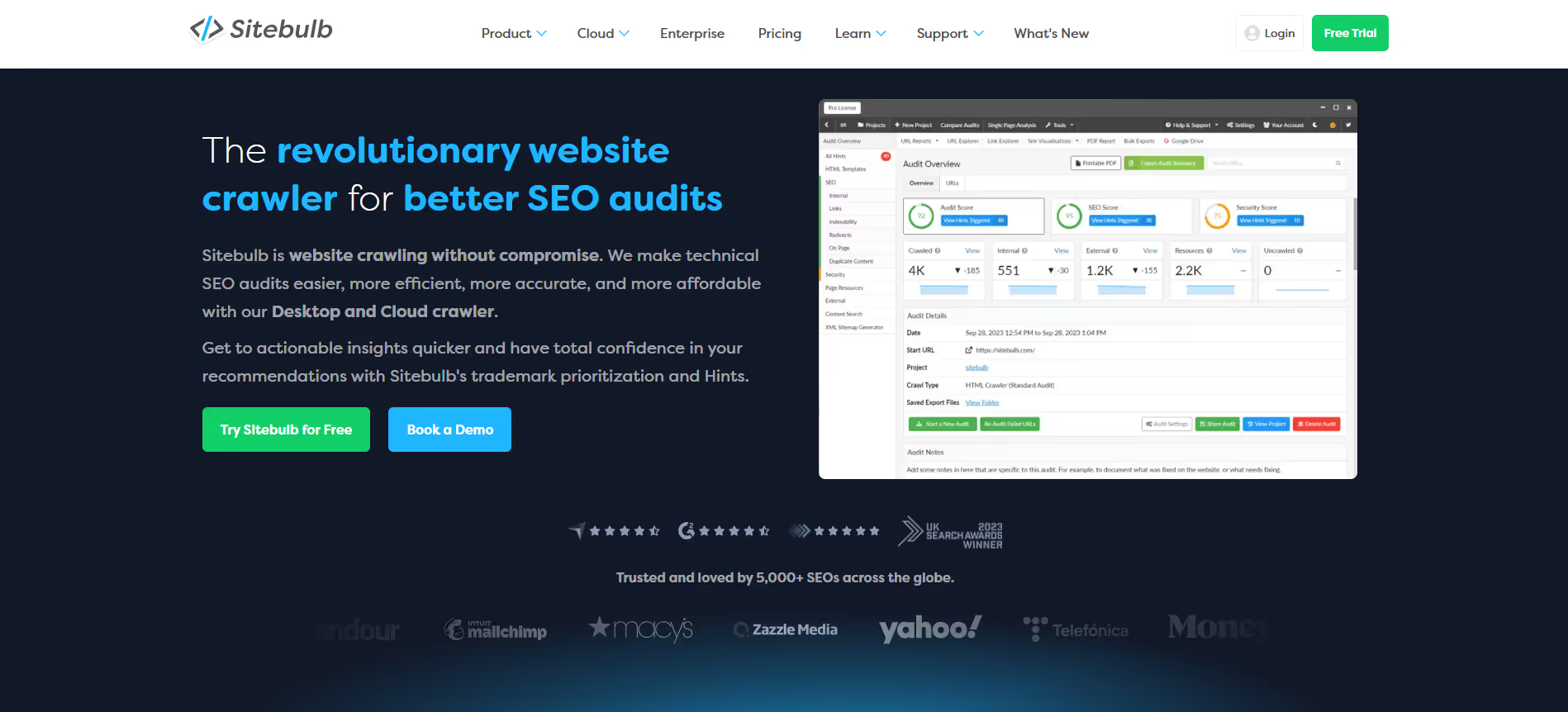
Sitebulb is a best-in-class technical SEO crawler offered as desktop software (Windows/Mac) and a cloud team version. It identifies 300+ SEO issues with standout visual crawl maps and educational hints that explain the *why* behind each finding. DB lists $13.50/mo which reflects the annual Lite price; actual Lite monthly is $17.50/mo and Pro starts at $32/mo (annual), with cloud from $119/mo.
Sitebulb's educational hint system sets it apart: every issue surfaces a plain-English explanation of why it matters and how to fix it, making audits actionable for junior SEOs and compelling for clients. Crawl maps give a visual hierarchy no spreadsheet export can match.
Desktop versions require local installation (Windows or Mac); the cloud tier starts at $119/mo, making team-wide browser-based access expensive. Per-seat add-ons on Pro can compound costs quickly for larger teams.
A look inside
Frequently Asked Questions
Alternatives
Sitebulb Cloud (from $119/mo) for browser-based team access with automated recurring crawls and collaboration.
Screaming Frog free tier (up to 500 URLs) for occasional small-site spot-checks at no cost.
Tags
Explore related categories
Conversion Gems independently reviews every tool. We may earn a commission if you sign up through our links — it never affects our verdict or ranking.