
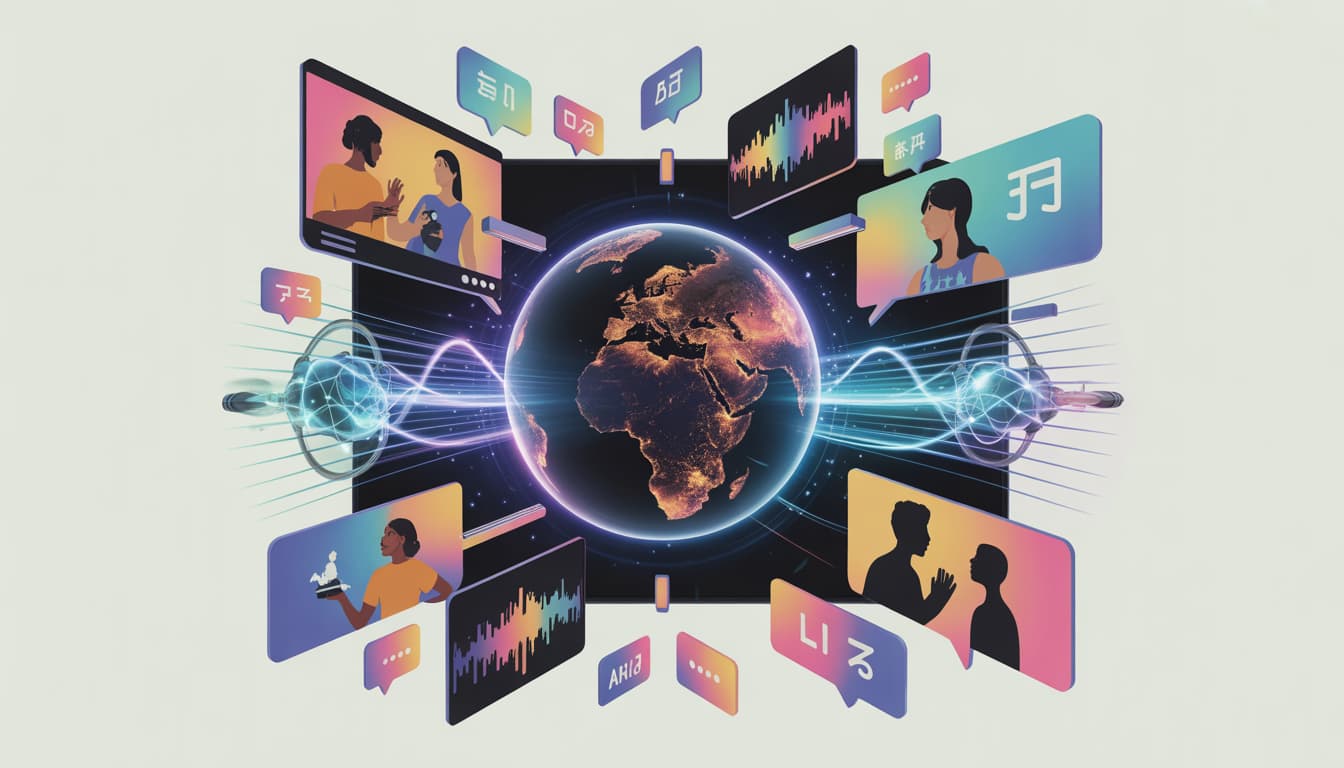
In the dynamic world of global communication, reaching audiences beyond traditional language boundaries is more important than ever. With digital content consumption at an all-time high, video and audio offer powerful mediums to engage diverse audiences. Localization solutions have therefore become indispensable. Highly evolved tools that translate not just words, but cultural nuances, are paving the way for businesses to expand globally and effectively. Understanding these solutions can help businesses enhance their engagement, break cultural barriers, and optimize their content strategy.
The Essence of Localization in Global Content Marketing
Localization is the fine art of adapting content to meet the linguistic, cultural, and technical requirements of a target market. It's not merely translating text; it's about resonating with local audiences by incorporating regional preferences and cultural elements. According to a study by Common Sense Advisory, 72% of consumers spend most or all of their time on websites in their own language, highlighting the necessity of localization in driving user engagement and conversion rates.
Adapting Audio for International Listeners
Audio content, such as podcasts and audiobooks, has witnessed a surge in popularity. To cater to a global audience, localization of audio content involves a multifaceted approach. This includes translation of scripts and employing voice actors who can accurately convey the emotional tone of the content. Tools like Rask AI and Descript are revolutionizing this process by offering sophisticated audio editing and translation features, ensuring that the essence of the original content is maintained while adapting it to new languages. These tools can seamlessly integrate localized audio with visuals to deliver a holistic and immersive experience.
Video Localization: Beyond Subtitling
While subtitles are a basic form of video localization, they are just the tip of the iceberg. Quality video localization involves dubbing, voiceover, and even adapting visual content to better align with cultural expectations. Platforms like Kapwing and Veed.io have made it easier for creators to edit videos inline with diverse audience needs. These tools allow for easy dubbing and voiceover capabilities, crucial for conveying the intended message without losing the original context. Effective video localization has been shown to significantly enhance viewer understanding and retention.
AI and Machine Learning: Driving Modern Localization Solutions
Artificial intelligence (AI) has emerged as a game changer in localization strategies. Automated solutions not only expedite the localization process but also sharpen its accuracy by utilizing vast datasets. AI-powered software like ChatGPT Plus and Claude provide content teams with localization recommendations, helping ensure that translated words and idioms make cultural sense in the target language. By simulating thousands of possible translations, these tools identify the most contextually suitable options, bridging the gap between different cultures.
The Role of AI Dubbing in Localization
The flexibility of AI technologies opens new doors for content modification. Platforms specializing in AI dubbing and localization software employ advanced algorithms to produce natural-sounding voiceovers and translations. These systems dynamically encode linguistic nuances and emotional shifts, preserving the author’s tone and intent. For businesses, this means faster production turnarounds and consistent quality across a wide range of languages.
Enhancing Content Strategy with AI-Driven Tools
Integrating tools such as Frase and Jasper into your localization workflow enhances strategic content planning. These tools utilize AI to analyze audience demographics and preferences, which informs tailored content production. By identifying which elements resonate most with specific audiences, companies can adjust their localization efforts to maximize engagement and return on investment. They pave the way for an adaptive content strategy, ensuring regional campaigns align with local palates.
From Start to Finish: A Recommended Localization Process
Embarking on a successful localization journey requires a systematic approach. A key starting point is cultural research, understanding the tastes and preferences of the target demographic. This foundation supports all subsequent efforts, from initial translations to final adaptations.
Developing Cultural Insight
Cultural insight serves as the foundation of effective localization. It entails delving into the societal norms, traditions, and expectations of your target audience. According to the CMO Council, 86% of marketers believe a deeper understanding of culture would facilitate more successful global marketing campaigns. Using tools like Perplexity.ai and Notion AI, teams can quickly gather and analyze cultural insights, enabling tailored and effective localization strategies.
Implementing Accurate Translations
Once cultural insights are clear, the next step is implementing translations that go beyond literal interpretation. The choice of words, idioms, and tone should reflect natural language usage and maintain the intended message of the original content. Incorporate AI-powered tools like Wordtune and QuillBot for quick, yet precise translations. These tools provide options for nuanced expressions, helping you select the right phrases that resonate best with local audiences.
FAQ Section
What is the difference between translation and localization?
Translation focuses on converting text from one language to another. Localization, however, adapts content in a culturally nuanced way, ensuring it is appropriate and engaging for the target audience.
Why is video and audio localization important in marketing?
Localized video and audio content enable businesses to connect with international audiences, increasing engagement, comprehension, and emotional impact. It improves brand accessibility and fosters closer relationships with users.
How does AI assist in localization?
AI enhances localization by providing automation, accuracy, and scalability. It uses machine learning to analyze large datasets, offering precise translations and culturally relevant adaptations faster than manual processes.
What are the challenges in audio localization?
Adapting audio content involves maintaining authenticity. Challenges include altering accents, translating idioms, and syncing dialogues with visuals while retaining emotional resonance and context.
Can small businesses benefit from localization solutions?
Yes, small businesses can use localization solutions to reach wider audiences with limited resources. Digital tools available today make localization viable even for small operations, enabling them to expand globally.
