Best for investors, analysts, financial researchers
Facts Grant & Aid
:
Best for financial‑aid officers, education administrators, schools
Invoice Ninja
:
Best for freelancers, accountants, small business owners
Tuition Express
:
Best for school administrators, Finance, Billing & Accounting professionals, tuition managers
Lacerte (Tax Software)
:
Best for accountants, tax professionals, CPAs
PayForIt
:
Best for schools, parents, administrators
Tallie
:
Best for accountants, Finance, Billing & Accounting teams, expense managers
Divvy
:
Best for Finance, Billing & Accounting managers, budgeting teams, small‑business owners
GradFin
:
Best for graduates, students, loan officers
Top Tier Trader
:
Best for traders, investors, Finance, Billing & Accounting enthusiasts
Payliance
:
Best for payment processors, financial institutions, collection agencies
Mentaya
:
Best for therapists, mental‑health professionals, wellness providers
Justworks
:
Best for HR departments, business leaders, growing companies
Payfactors
:
Best for compensation analysts, HR leaders, talent managers
Vertex (Payroll solutions)
:
Best for payroll teams, Finance, Billing & Accounting departments, accounting professionals
Grain Credit
:
Best for lenders, credit analysts, financial institutions
HighRadius
:
Best for Finance, Billing & Accounting teams, AR managers, treasury departments
Paycor
:
Best for HR departments, payroll professionals, workforce managers
WinCap Payroll
:
Best for payroll managers, Finance, Billing & Accounting teams, HR specialists
Acumatica
:
Best for accountants, ERP managers, business administrators
Heartland Payroll
:
Best for payroll teams, Finance, Billing & Accounting professionals, HR departments
Payroll4Free
:
Best for payroll teams, Finance, Billing & Accounting managers, small businesses
Sage 100
:
Best for Finance, Billing & Accounting departments, accountants, business operators
Conta Azul
:
Best for small‑business accountants, Finance, Billing & Accounting managers, entrepreneurs
Global PayPlus
:
Best for banks, Finance, Billing & Accounting institutions, transaction managers
Payerpath
:
Best for payment processors, billing departments, healthcare teams
TaxCanopy
:
Best for accountants, tax advisors, Finance, Billing & Accounting teams
Zenwork Xforce
:
Best for tax professionals, accountants, compliance managers
CardinalCommerce
:
Best for payment processors, financial managers, e‑commerce businesses
TimesheetX
:
Best for payroll staff, administrators, service teams
Koalafi
:
Best for financing providers, fintech teams, payment managers
Costpoint (Deltek Costpoint)
:
Best for government contractors, project accountants, Finance, Billing & Accounting managers
PayClix
:
Best for utilities providers, billing professionals, Finance, Billing & Accounting teams
Bill4Time
:
Best for legal firms, consultants, service professionals
Merit Card Services
:
Best for payment processors, financial institutions, merchants
QuickBooks Enterprise
:
Best for Finance, Billing & Accounting teams, accountants, business owners
Loan IQ
:
Best for loan officers, financial analysts, banking teams
FinQuery
:
Best for financial departments, CFOs, accounting teams
Trader Tracker
:
Best for traders, investors, Finance, Billing & Accounting professionals
Jopari
:
Best for insurance billers, claims specialists, healthcare processors
Paymerang
:
Best for accounts‑payable teams, Finance, Billing & Accounting departments, procurement pros
Finly
:
Best for Finance, Billing & Accounting departments, spend managers, accounting teams
iBilling
:
Best for Finance, Billing & Accounting professionals, billing specialists, small businesses
Verifast
:
Best for lenders, mortgage professionals, financial officers
Checkwriters
:
Best for payroll teams, HR departments, accounting professionals
TimeNet
:
Best for time trackers, freelancers, project teams
Paymode-X
:
Best for Finance, Billing & Accounting departments, accountants, payment processors
Blackbaud Tuition Management
:
Best for Finance, Billing & Accounting officers, school administrators, tuition managers
Bubble Screener
:
Best for investors, analysts, financial researchers
TurboBridge
:
Best for conference callers, remote workers, corporate teams
CPACharge
:
Best for accounting firms, tax professionals, legal practices
InterChecks
:
Best for background screeners, hiring managers, compliance teams
HICAPS
:
Best for healthcare providers, insurers, medical claim teams
VersaPay
:
Best for Finance, Billing & Accounting teams, accounting departments, payment processors
Divvy
:
Best for Finance, Billing & Accounting professionals, budgeting managers, business leaders
RIA in a Box
:
Best for financial advisors, wealth managers, compliance officers
Metronome Billing
:
Best for Finance, Billing & Accounting teams, billing specialists, subscription managers
BluePay
:
Best for merchants, payment processors, accounting teams
BillQuick Core
:
Best for consultants, financial planners, service professionals
MyUsage
:
Best for utility providers, consumers, data analysts
Ramp
:
Best for Finance, Billing & Accounting managers, accounting teams, business owners
GoFileRoom
:
Best for accountants, auditing professionals, document managers
ATX Tax Software
:
Best for accountants, tax preparers, Finance, Billing & Accounting specialists
CheckKeeper
:
Best for accountants, bookkeepers, small‑business Finance, Billing & Accounting teams
Availity
:
Best for healthcare administrators, insurance managers, billing teams
transformify
:
Best for freelancers, HR managers, workforce coordinators
time59
:
Best for brand managers, marketing analysts, PR teams
cpascharge
:
Best for accounting firms, CPA professionals, auditors
timetr ax
:
Best for time trackers, consultants, service providers
heartland checkview
:
Best for Security, Privacy & Backup teams, retailers, risk managers
sage fixed assets
:
Best for Finance, Billing & Accounting teams, accountants, asset managers
kartapult
:
Best for shoppers, lenders, e‑commerce customers
taxbit
:
Best for accountants, crypto investors, Finance, Billing & Accounting managers
gainy
:
Best for investors, Finance, Billing & Accounting enthusiasts, market analysts
checkeeper
:
Best for Finance, Billing & Accounting teams, bookkeepers, small business owners
paymode x
:
Best for accounting teams, Finance, Billing & Accounting departments, payment processors
paceline
:
Best for fitness enthusiasts, wellness coaches, active professionals
legfi
:
Best for Finance, Billing & Accounting officers, church treasurers, nonprofit managers
myschoolfees
:
Best for parents, school administrators, Finance, Billing & Accounting officers
sage one
:
Best for small businesses, accountants, entrepreneurs
itsdeductible
:
Best for taxpayers, accountants, Finance, Billing & Accounting professionals
falconx
:
Best for traders, crypto analysts, investors
centage
:
Best for Finance, Billing & Accounting teams, CFOs, accountants
payfit
:
Best for HR teams, payroll specialists, growing companies
timeslips
:
Best for legal firms, accountants, service professionals
prime revenue
:
Best for Finance, Billing & Accounting executives, supply‑chain teams, enterprise leaders
Trueprofit
:
Best For Businesses, Finance Teams, Startups
OpenBB
:
Best For Investors, Traders, Finance Teams
FastSpring
:
Lemon Squeezy
:
Wave
:
FreshBooks
:
QuickBooks
:
Recurly
:
Chargebee
:
Payoneer
:
Wise
:
Stripe
:
Paddle
:
Zoho CRM
:
CheckKeeper
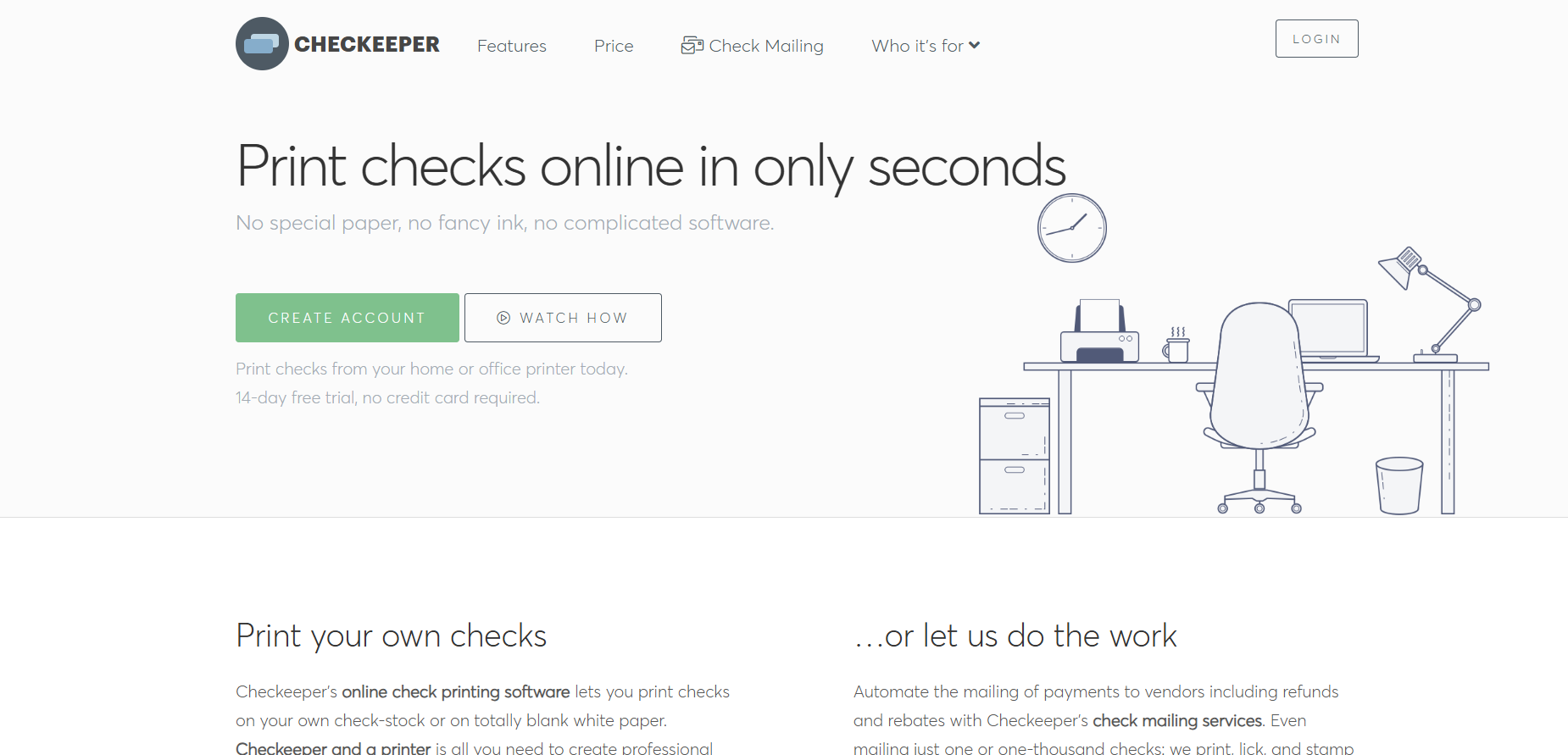
CheckKeeper provides a simple online platform to record, print, and reconcile company checks. It helps businesses maintain banking transparency while improving record accuracy.
Pros & Cons:
CheckKeeper records and tracks issued checks online, improving payment transparency for businesses.
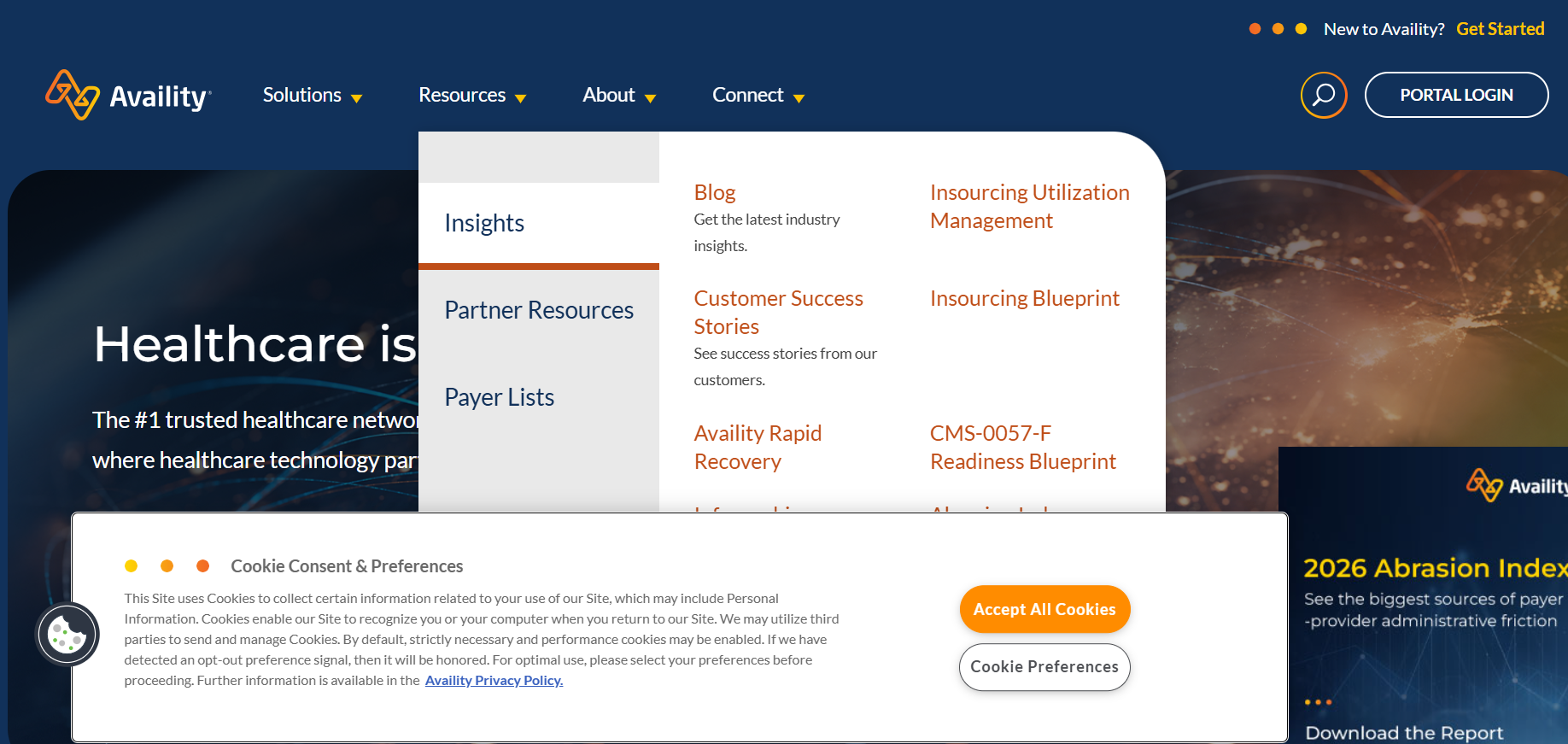
Availity is a healthcare‑network platform that connects payers and providers for claim submission, eligibility checks, and secure communication. It reduces administrative costs while accelerating reimbursement workflows.
Pros & Cons:
Availity connects healthcare providers and payers on one network, streamlining claims and eligibility verification.
Transformify connects companies with a global pool of freelancers and remote employees. Its platform automates job matching, contract compliance, and payments, supporting equitable, efficient workforce sourcing.
Pros & Cons:
Transformify connects businesses with a global freelance workforce and automates payments for ethical, compliant hiring.
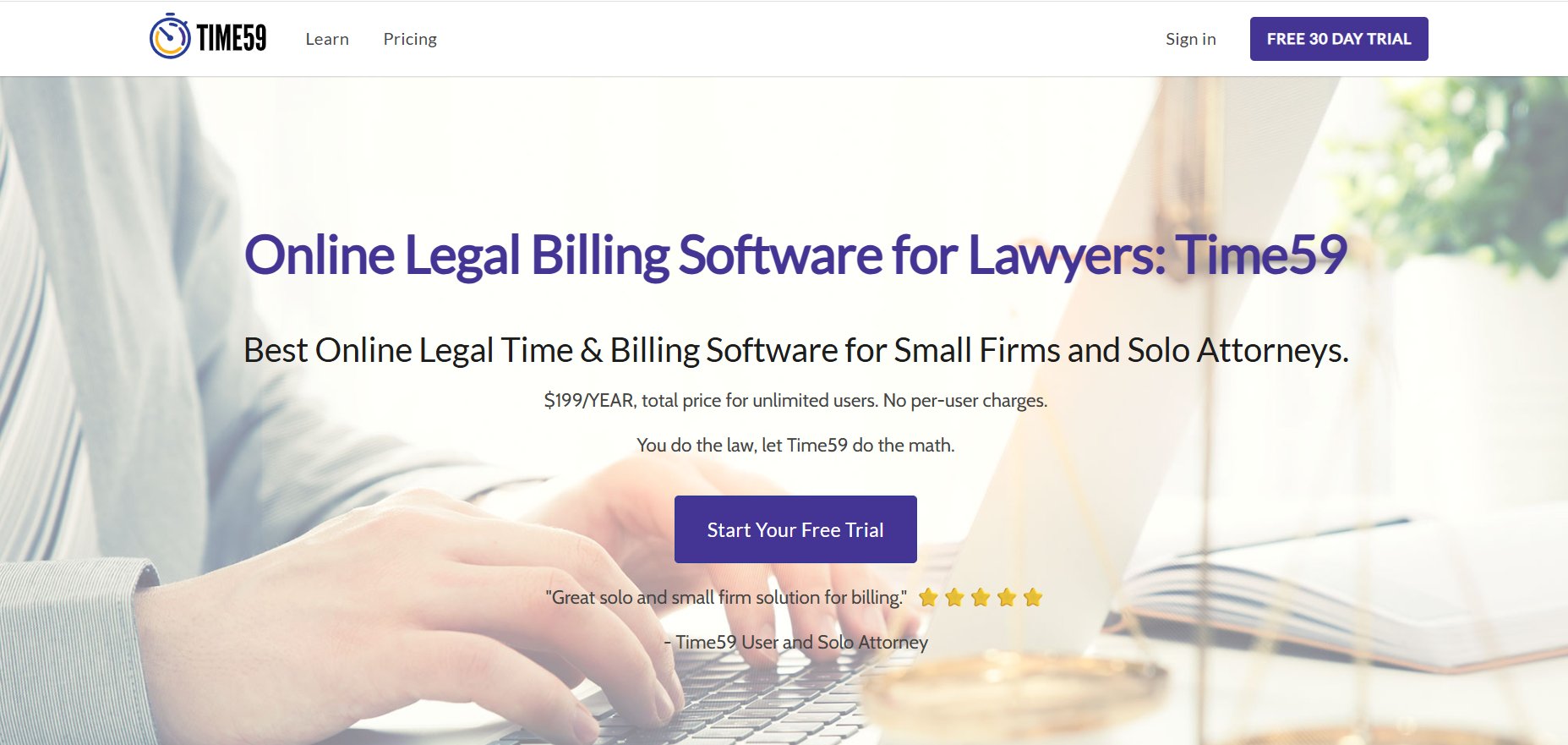
Time59 gives consultants, lawyers, and freelancers simple cloud‑based time tracking and invoicing. Its real‑time reporting ensures clients are billed accurately and projects stay profitable.
Pros & Cons:
Time59 offers solo professionals cloud‑based time and billing tools that simplify invoicing and client management.
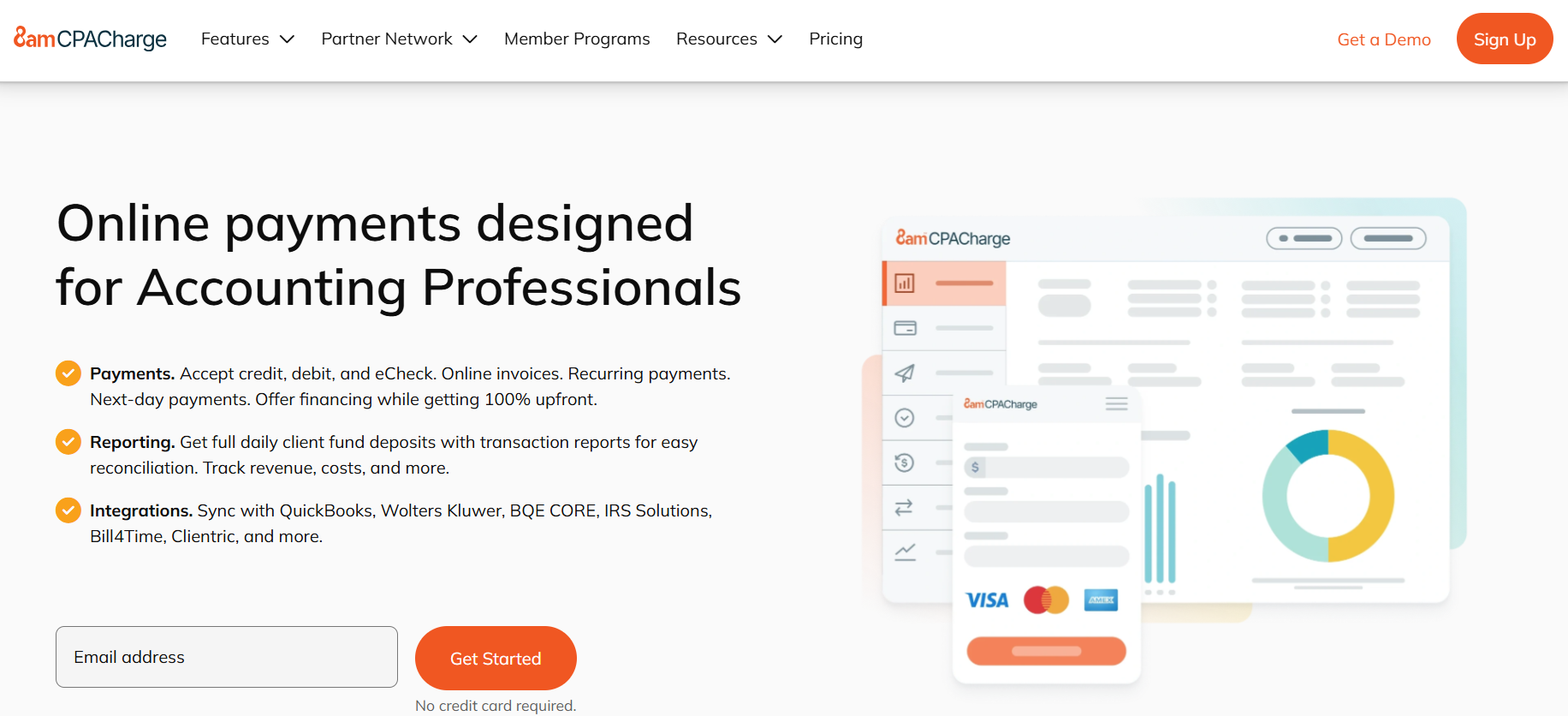
CPAsCharge gives accounting firms a secure way to accept credit‑card and ACH payments from clients. Integrated with popular practice‑management software, it shortens payment cycles and simplifies billing.
Pros & Cons:
CPAsCharge simplifies client payments for accountants with secure online billing that shortens collection times.
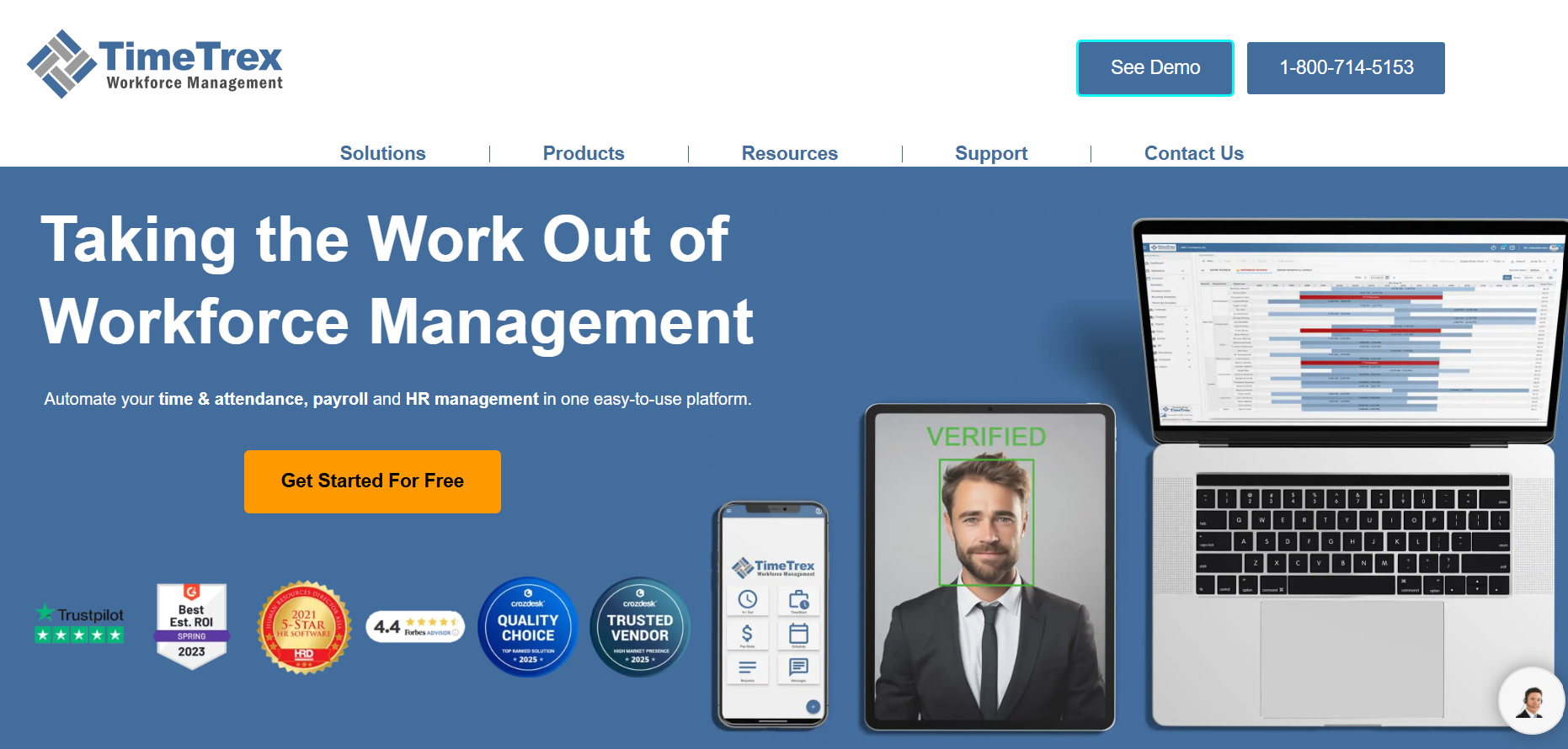
TimeTrak helps professionals log billable hours and job costs to generate accurate invoices. Its cloud platform gives project managers visibility into productivity and resource allocation.
Pros & Cons:
TimeTrak tracks employee hours, job costs, and productivity metrics to support accurate payroll and project analysis.
Heartland CheckView offers businesses advanced Security, Privacy & Backup camera and transaction‑monitoring systems. Retailers rely on it to reduce fraud, verify cash‑drawer activity, and maintain workplace safety.
Pros & Cons:
Heartland CheckView provides secure video surveillance and reporting tools that help businesses monitor transactions and deter fraud.
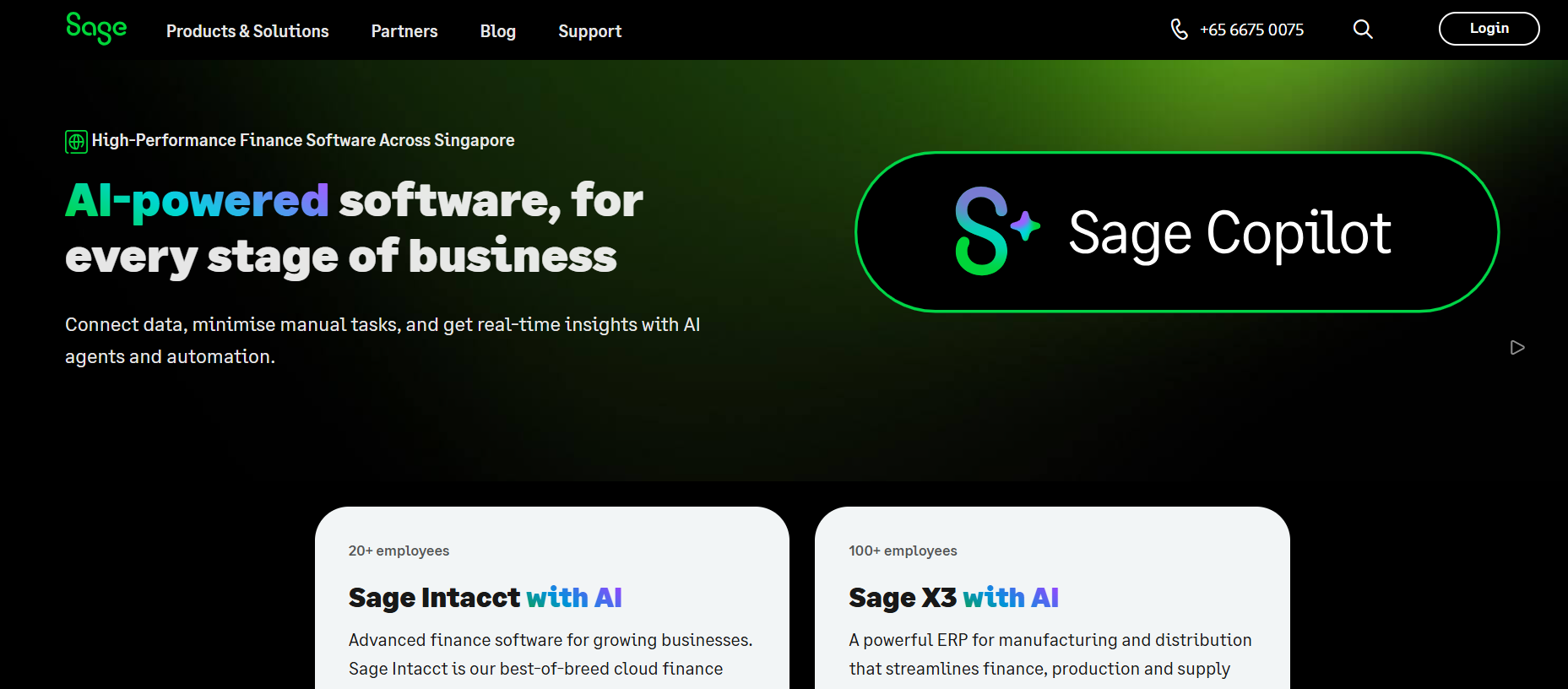
Sage Fixed Assets helps Finance, Billing & Accounting teams track depreciation and asset lifecycles from acquisition to disposal. Its automated calculations and detailed reporting ensure compliance with accounting standards.
Pros & Cons:
Sage Fixed Assets tracks depreciation and asset life cycles, ensuring accurate compliance and easier financial reporting.
Kartapult offers lease‑to‑own financing at checkout, letting shoppers buy products immediately while paying installments over time. Retailers integrate it to expand affordability and increase conversion rates.
Pros & Cons:
Kartapult enables lease‑to‑own payment solutions at checkout, helping merchants reach shoppers who prefer flexible financing.









.svg)
.svg)
.png)









.png)

.png)



.png)