captions.ai is an AI tool that automatically generates accurate captions and subtitles for videos, improving accessibility, engagement, and searchability across platforms.
Pros & Cons:
captions.ai generates and edits video captions with AI-powered tools. It’s built to improve clarity and viewer retention.
Submagic is an AI-powered subtitling platform that automatically generates, translates, and synchronizes captions for video content across multiple languages.
Pros & Cons:
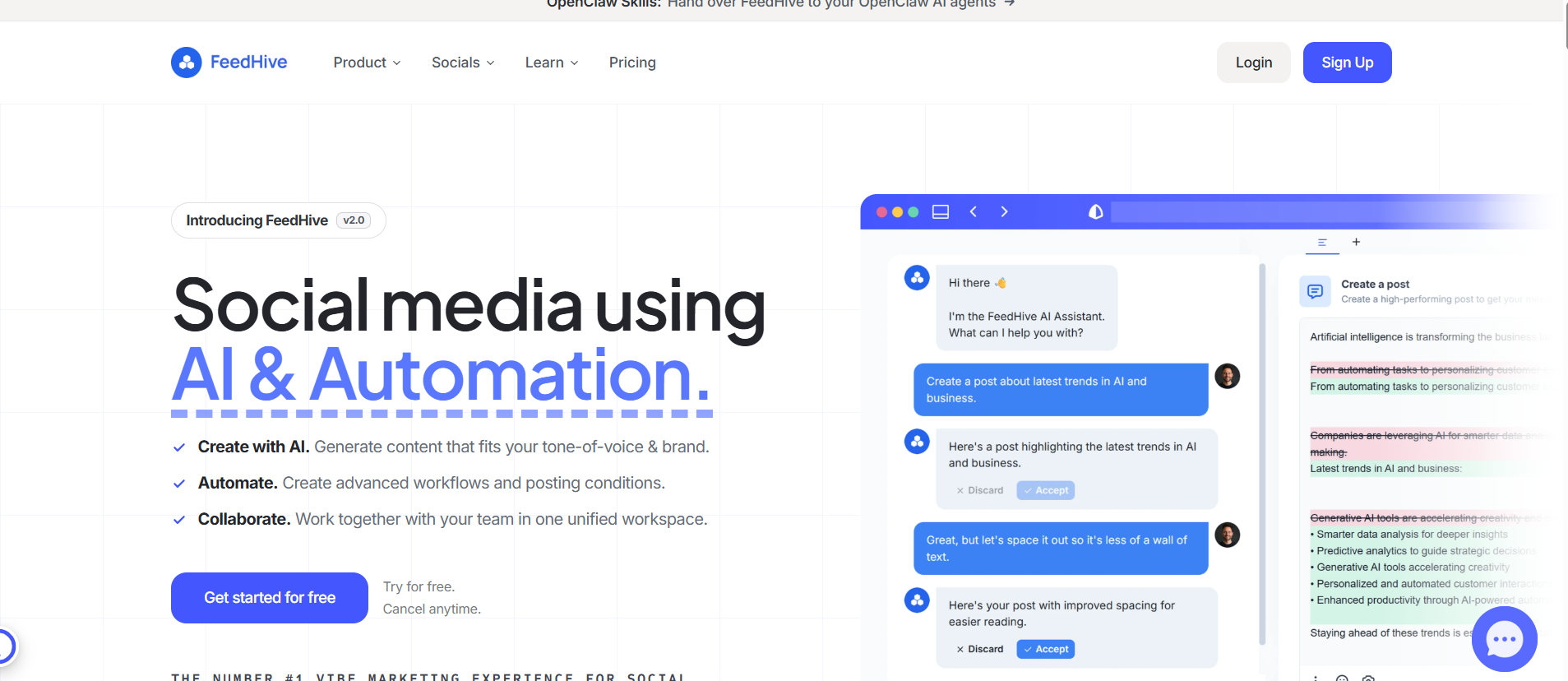
Submagic automatically generates captions and edits short-form videos with AI. It helps creators boost engagement quickly.
Zubtitle is an AI video captioning platform that automatically transcribes, captions, and formats videos for social media, marketing, and accessibility compliance.
Pros & Cons:
Zubtitle adds captions and branding to videos using AI automation. It helps make videos more accessible and engaging.
Sendshort is an AI email and messaging automation platform that generates, schedules, and personalizes communications for marketing, sales, and customer engagement.
Pros & Cons:
Sendshort uses AI to turn long videos into short-form social content. It’s designed for speed and consistency.
Munch is an AI social media analytics tool that aggregates, analyzes, and visualizes marketing data to optimize engagement, campaigns, and content strategy.
Pros & Cons:
Munch repurposes long-form video content into short, engaging clips using AI. It helps creators maximize content reach.
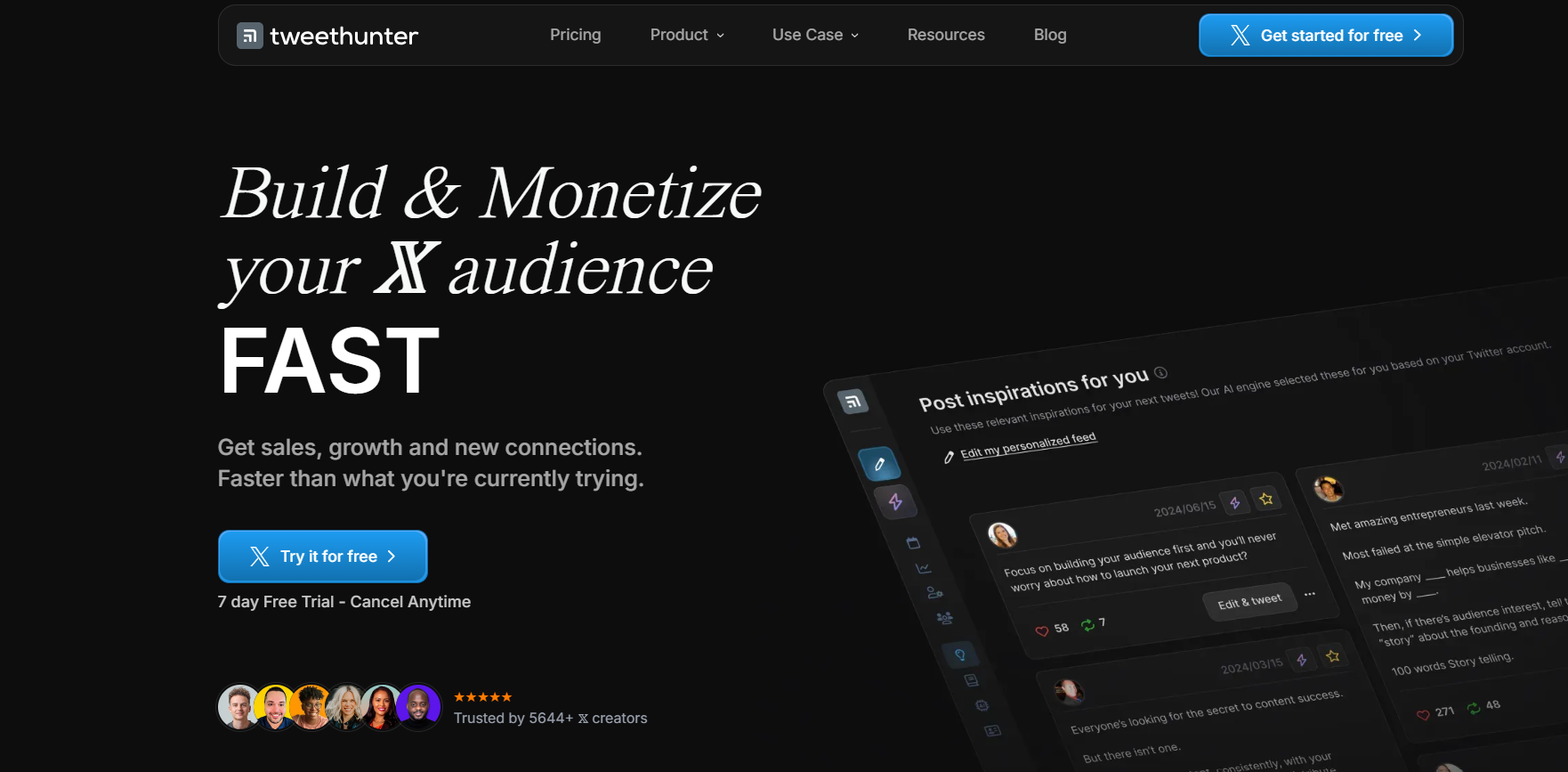
A content automation platform designed to streamline social media management, focusing on Twitter growth and engagement.
Pros & Cons:
Pros
Cons
✔️ Advanced automation features for Twitter growth.
✖️ Limited cross-platform features compared to some competitors.
✔️ Content repurposing tools for different platforms.
✖️ Basic analytics without advanced reporting capabilities.
✔️ Engagement automation features like auto-DMs and comment automation.
✖️ No built-in image editing or advanced media customization tools.
Bottom Line: Hypefury is a robust social media automation tool tailored for creators and marketers seeking to enhance their Twitter presence through advanced automation features, content repurposing, and engagement tools. While it offers limited cross-platform capabilities and basic analytics, its focus on Twitter growth and user-friendly interface make it a valuable asset for those aiming to streamline their social media strategies.
Loomly is a social media management tool designed for teams, agencies, and brands to streamline content creation, scheduling, collaboration, and analytics. It features a visual content calendar, post approvals, role-based permissions, automated post suggestions, and integrations with major social networks such as Facebook, Instagram, Twitter, LinkedIn, and Pinterest. Loomly also offers analytics to monitor engagement, optimize content, and generate white-label reports. The platform helps teams maintain consistent posting schedules, improve collaboration, and efficiently manage multiple social accounts, making it ideal for small to medium teams, agencies, and brands.
Pros & Cons:
Pros
Cons
✔️ Intuitive visual calendar and scheduling interface.
✖️ Higher-tier plans can be expensive for small teams.
✔️ Team collaboration with approval workflows and roles.
✖️ Limited customization compared to some competitors.
✔️ Analytics and white-label reports for agencies and clients.
✖️ Customer support can be slower during peak periods.
Bottom Line: Loomly is an excellent social media management tool for teams and agencies seeking a unified platform for scheduling, collaboration, and analytics. It streamlines workflows, improves content consistency, and supports multi-platform management. While pricing for higher-tier plans may be significant, the ROI for managing multiple accounts efficiently makes it worthwhile for growing teams and agencies.
SocialPilot is a social media management tool built for individuals, teams, agencies, and brands to handle content scheduling, publishing, analytics, and collaboration from one dashboard. It supports multiple social media platforms, offers bulk scheduling, content calendar views, RSS feed automation, content library, social inbox for engagement, and AI-powered caption/hashtag generation (AI Pilot). It also provides white-label report generation, client/manager approval workflows, role-based permissions, and advanced reporting to help users track performance, streamline workflows, and maintain consistent content delivery.
Pros & Cons:
Pros
Cons
✔️ Good value for features: bulk scheduling, social inbox, white-label, etc. :contentReference[oaicite:20]{index=20}
✖️ Pricing escalates steeply as you add more social accounts/users. :contentReference[oaicite:21]{index=21}
✔️ Strong team collaboration tools including approvals and roles. :contentReference[oaicite:22]{index=22}
✖️ Some limitations with platform-specific post previews or fine control for each channel. :contentReference[oaicite:23]{index=23}
✔️ Analytics & reporting with white-label output valued by agencies. :contentReference[oaicite:24]{index=24}
✖️ Advanced features (white-labelling, dedicated support) are only in high-tier plans. :contentReference[oaicite:25]{index=25}
Bottom Line: SocialPilot is a strong social media management tool that offers a rich set of features for content scheduling, team collaboration, and analytics at a reasonable price, especially for small teams and agencies. It shines with its bulk scheduling, social inbox, approval workflows, and white-label reports. If you’re managing multiple social profiles or clients and need efficient workflows, it’s a solid choice. The trade-off comes when you scale up many users/accounts or need enterprise-grade custom features, in which case costs rise significantl
SocialPilot
Pros & Cons: