Best for web hosting, app deployment, scalable droplets, Kubernetes hosting, managed databases, developer cloud tools.
WP Rocket
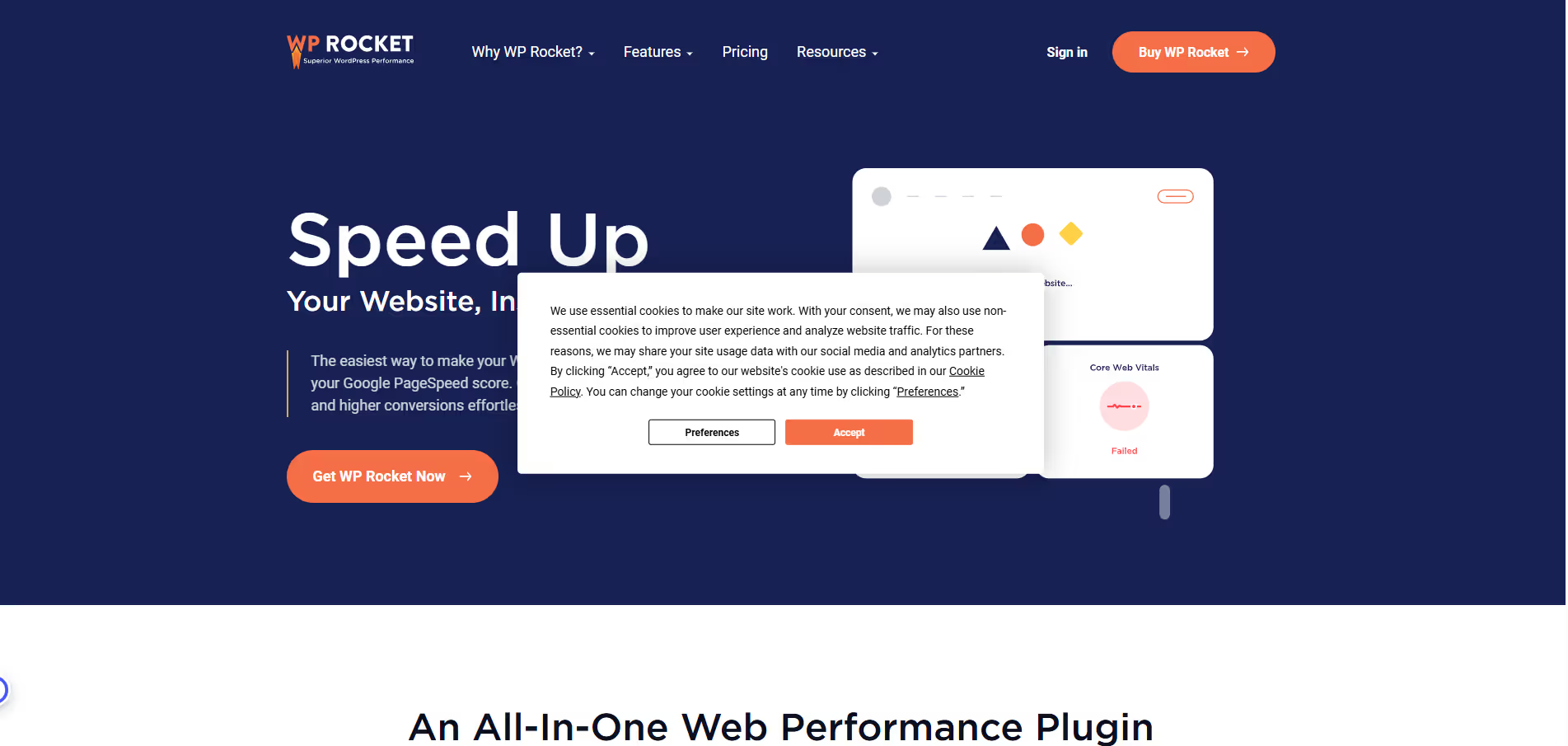
WP Rocket is a premium WordPress caching plugin designed to optimize website speed and performance. It implements page caching, browser caching, GZIP compression, lazy loading, and database optimization without requiring technical expertise. WP Rocket is compatible with most WordPress themes and plugins, including WooCommerce, and automatically applies optimization settings to improve site loading times. It also supports CDN integration, preloading, and minification of CSS, JavaScript, and HTML files. By improving website performance, WP Rocket helps enhance user experience, reduce bounce rates, and boost SEO rankings. Its intuitive interface makes it simple for website owners to activate powerful optimizations without complicated setup procedures.
Pros & Cons:
Pros
Cons
✔️ Easy-to-use caching plugin with automatic optimizations.
✖️ Premium-only plugin; no free version available.
✔️ Improves website speed, SEO, and user experience.
✖️ Limited advanced customization for experienced developers.
✔️ Compatible with most WordPress themes, plugins, and CDN setups.
✖️ Annual pricing may be expensive for single-site owners.
Bottom Line: WP Rocket is a premium caching plugin for WordPress that dramatically improves site speed, performance, and SEO through easy-to-use automation, making it ideal for bloggers, business websites, and WordPress owners seeking fast-loading sites.
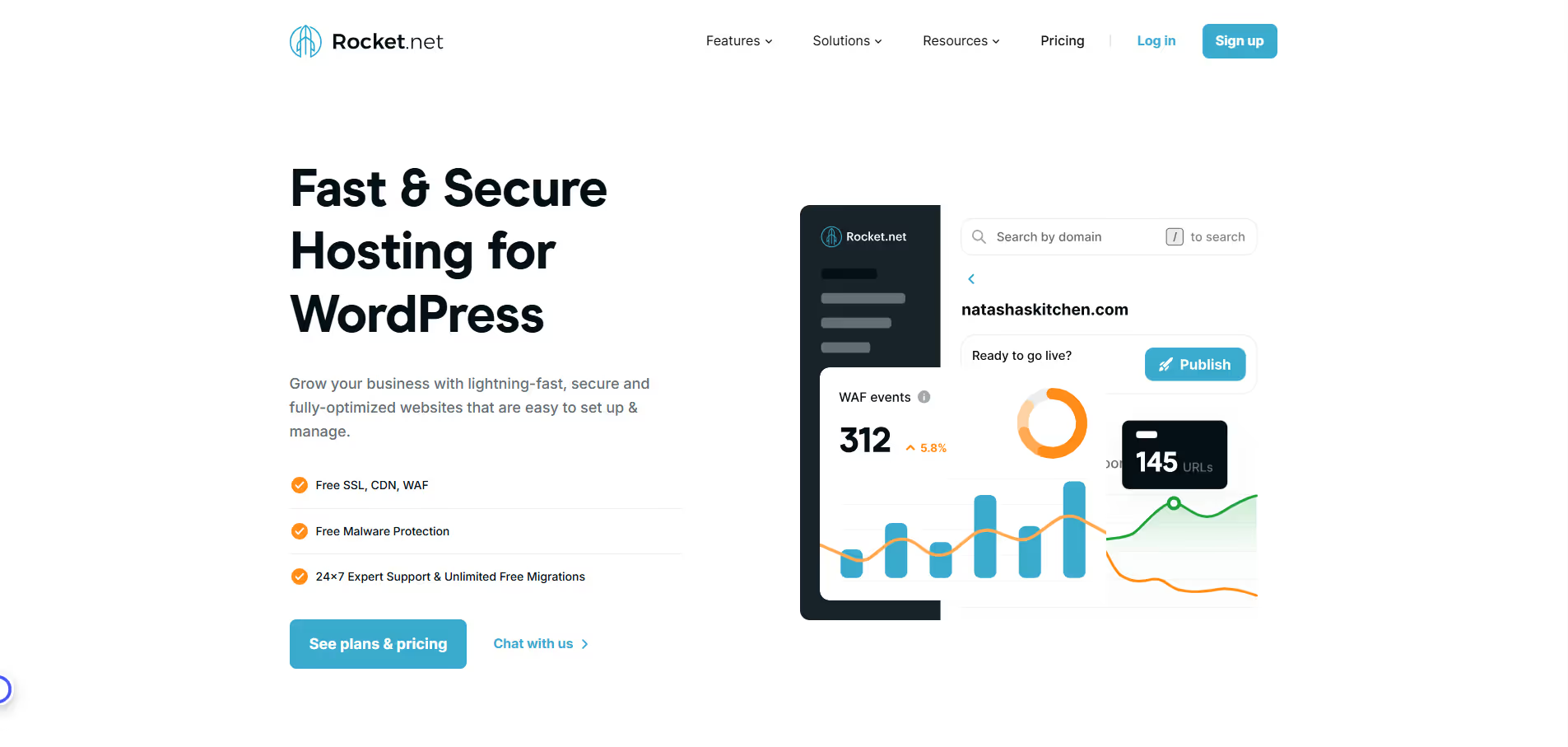
Rocket.net is a premium managed WordPress hosting provider designed for high-speed, secure, and reliable website performance. It offers server infrastructure integrated with Cloudflare Enterprise CDN, automated SSL, daily backups, and malware scanning to ensure security and speed. The platform provides one-click WordPress installation, staging environments, and an intuitive dashboard for managing websites efficiently. Rocket.net focuses on minimizing website load times and maximizing uptime, making it ideal for agencies, businesses, and developers looking for hassle-free WordPress hosting. With 24/7 expert support and global edge servers, it ensures excellent performance for websites serving a worldwide audience.
Pros & Cons:
Pros
Cons
✔️ Managed WordPress hosting with Cloudflare Enterprise CDN.
✖️ Higher pricing compared to standard shared hosting.
✔️ Automated SSL, daily backups, and malware scanning.
✖️ Limited to WordPress hosting only.
✔️ Easy-to-use dashboard and staging environment for smooth deployment.
✖️ Not suitable for non-WordPress sites.
Bottom Line: Rocket.net provides premium managed WordPress hosting with top-tier speed, security, and global CDN integration, making it ideal for businesses, agencies, and developers who want hassle-free high-performance WordPress hosting.
UpCloud is a cloud hosting provider known for its high-performance infrastructure, offering cloud servers with fast storage and flexible scalability. It provides Linux and Windows cloud servers, private networking, block storage, and API access for automation. UpCloud emphasizes reliability and speed, with servers featuring MaxIOPS storage technology for faster disk performance. Users can deploy servers quickly, scale resources on demand, and benefit from hourly billing flexibility. Additional features include firewalls, monitoring tools, snapshots, and easy server management through a web-based control panel. UpCloud is ideal for developers, businesses, and tech-savvy users who need reliable, high-speed cloud hosting with full control over server configurations.
Pros & Cons:
Bottom Line: UpCloud provides fast, scalable, and reliable cloud hosting with MaxIOPS storage, flexible billing, and robust infrastructure, making it ideal for developers, startups, and businesses needing high-performance servers.
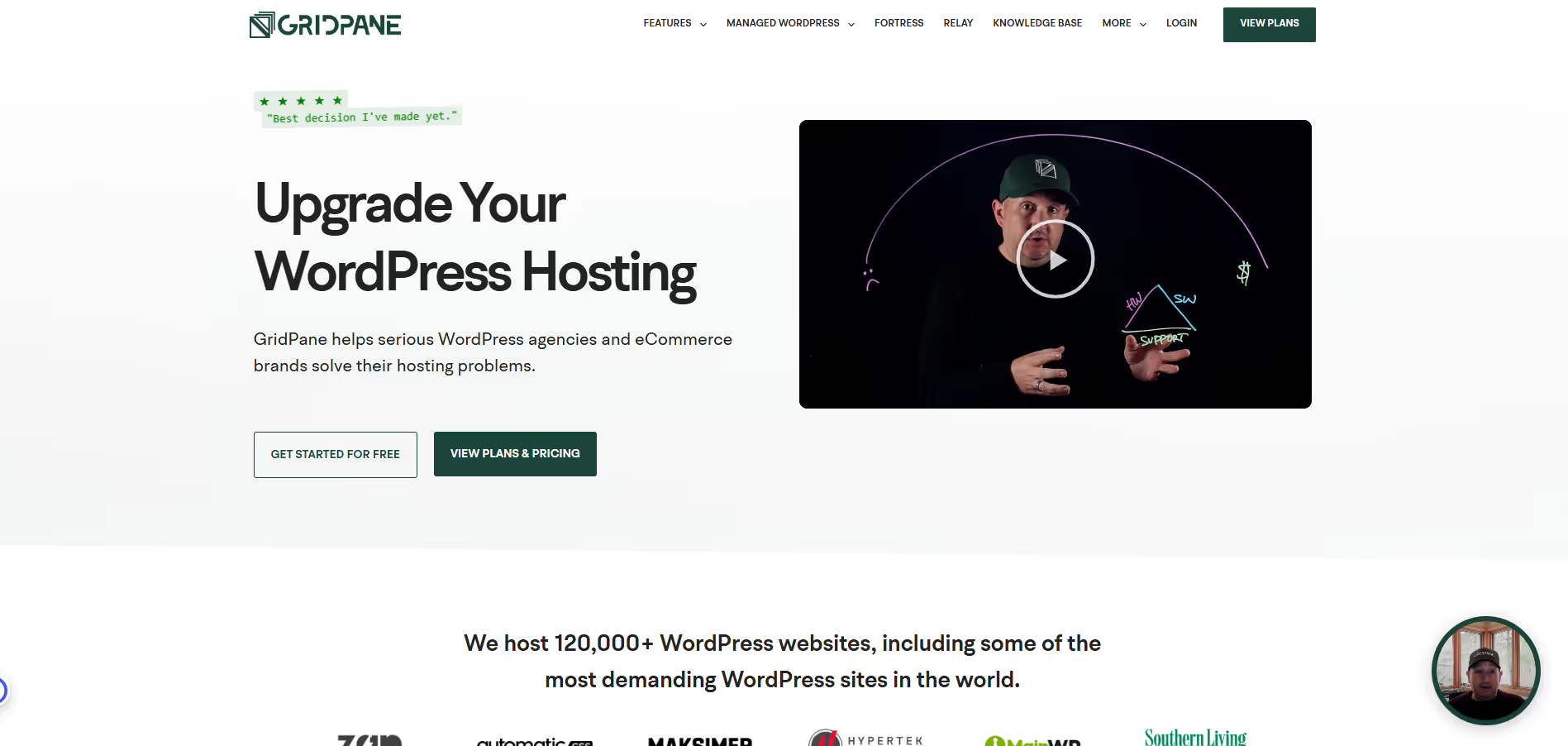
GridPane is a server management platform designed for WordPress developers and agencies who want to deploy, manage, and optimize multiple WordPress sites efficiently. It allows users to provision servers from popular cloud providers like DigitalOcean, AWS, and Google Cloud while offering automated server configuration, security hardening, backups, and staging environments. GridPane’s intuitive interface provides performance monitoring, SSL management, caching configuration, and deployment automation. By centralizing server and site management, GridPane reduces the complexity of hosting multiple sites and improves website performance and uptime, making it an ideal solution for agencies and developers handling client WordPress projects.
Pros & Cons:
Pros
Cons
✔️ Centralized management of multiple WordPress sites.
✖️ Requires cloud server account; not a traditional hosting service.
✔️ Automated server setup, SSL, backups, and performance optimization.
✖️ Higher cost for beginners managing a single site.
✔️ Staging environments and deployment automation streamline workflow.
✖️ Learning curve for users new to server management.
Bottom Line: GridPane is an advanced WordPress server management platform for developers and agencies, offering automated provisioning, performance optimization, and centralized site management to simplify hosting multiple WordPress sites efficiently.
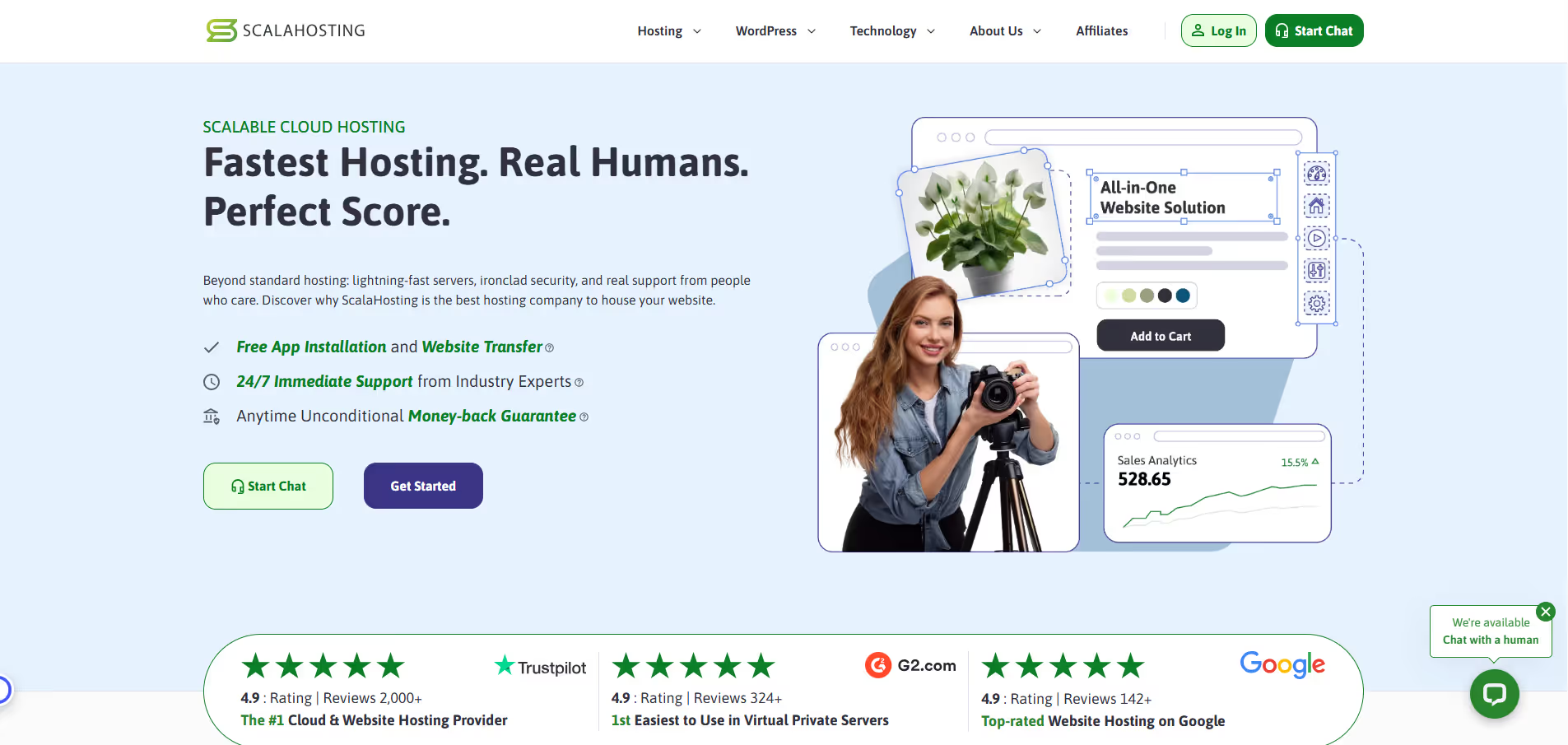
ScalaHosting is a web hosting provider offering shared hosting, managed WordPress, and cloud VPS solutions. It emphasizes security, performance, and user-friendly management tools. Features include SPanel, a proprietary hosting control panel designed as an alternative to cPanel, free SSL certificates, daily backups, and free website migrations. ScalaHosting’s cloud VPS plans offer scalability, dedicated resources, and enhanced performance, while shared hosting plans are optimized for speed and reliability. With 24/7 support, automated security tools, and flexible hosting solutions, ScalaHosting caters to businesses, agencies, and developers seeking a secure, fast, and scalable web hosting environment.
Pros & Cons:
Pros
Cons
✔️ Secure and scalable hosting with cloud VPS options.
✖️ Shared hosting plans have limited resources compared to VPS.
✔️ Proprietary SPanel control panel for easy management.
✖️ Learning curve for new users unfamiliar with SPanel.
✔️ Free SSL certificates, daily backups, and security tools.
✖️ Cloud VPS plans are pricier than basic shared hosting.
Bottom Line: ScalaHosting provides secure, scalable, and high-performance web hosting with cloud VPS, SPanel management, and strong support, making it ideal for developers, agencies, and businesses looking for reliability and flexibility.
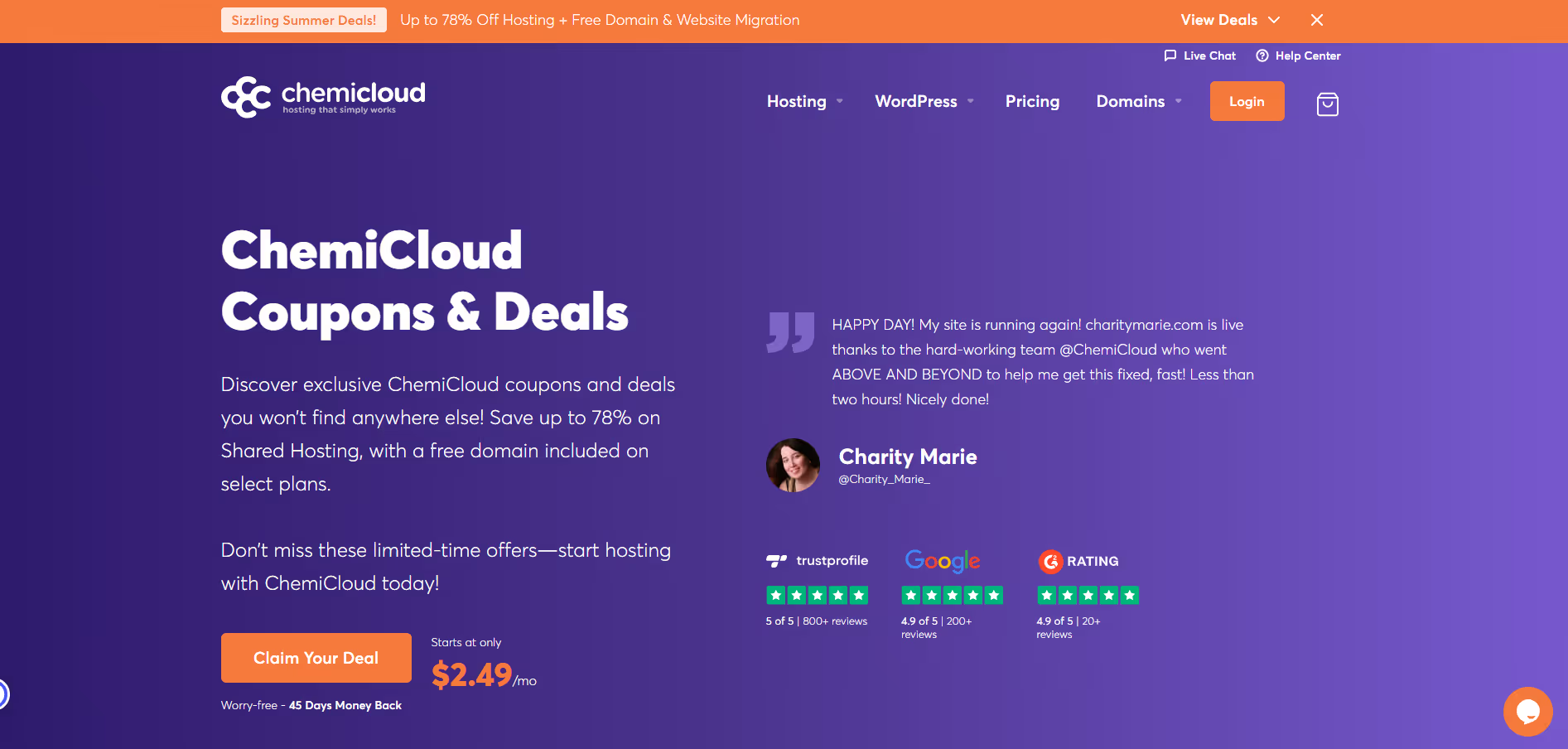
ChemiCloud is a web hosting provider that focuses on speed, reliability, and simplicity. It offers shared, WordPress, VPS, and reseller hosting with SSD storage and LiteSpeed web servers for faster website performance. ChemiCloud provides free SSL certificates, daily backups, free domain registration, and one-click CMS installations to simplify website management. Its intuitive control panel makes hosting easy for beginners and advanced users alike. With data centers across multiple regions and 24/7 customer support, ChemiCloud ensures high uptime, security, and smooth website operations for personal blogs, business websites, and eCommerce stores.
Pros & Cons:
Pros
Cons
✔️ Fast SSD hosting with LiteSpeed servers.
✖️ Limited advanced features on basic plans.
✔️ Free SSL certificates and domain registration.
✖️ Some global data center options are limited.
✔️ User-friendly control panel and one-click CMS installation.
✖️ Customer support can be slower during peak hours.
Bottom Line: ChemiCloud delivers fast, secure, and beginner-friendly hosting with SSD storage, LiteSpeed servers, and free SSL certificates, making it a reliable choice for bloggers, small businesses, and developers seeking performance and simplicity.
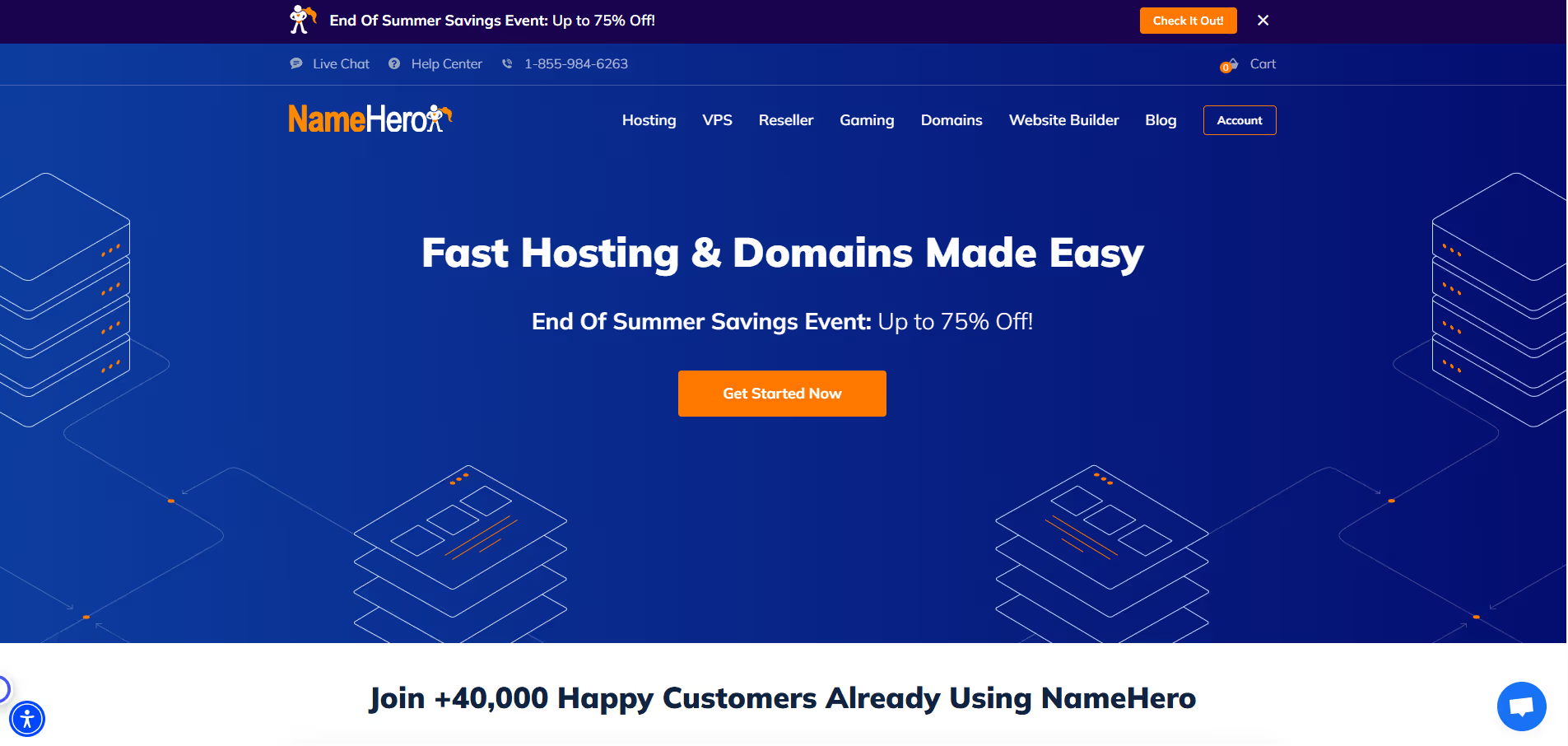
NameHero is a web hosting provider focused on speed, reliability, and security, offering shared, cloud, VPS, and reseller hosting plans. It uses LiteSpeed servers and NVMe storage to provide high-performance websites with fast load times. Features include free SSL certificates, automated daily backups, one-click app installations for WordPress and other CMS platforms, and cPanel for easy management. NameHero also emphasizes security with DDoS protection and malware scanning. With 24/7 customer support, it’s suitable for businesses, developers, and entrepreneurs who need reliable hosting that can scale as their website traffic grows.
Pros & Cons:
Pros
Cons
✔️ High-performance LiteSpeed and NVMe-powered hosting.
✖️ Entry-level shared plans have limited storage and resources.
✔️ Daily automated backups and robust security features.
✖️ Some advanced features require higher-tier plans.
✔️ 24/7 customer support with responsive assistance.
✖️ Limited server locations compared to global hosts.
Bottom Line: NameHero offers fast, secure, and scalable web hosting for businesses and developers, combining LiteSpeed technology, daily backups, and reliable customer support to ensure high-performance websites at competitive prices.
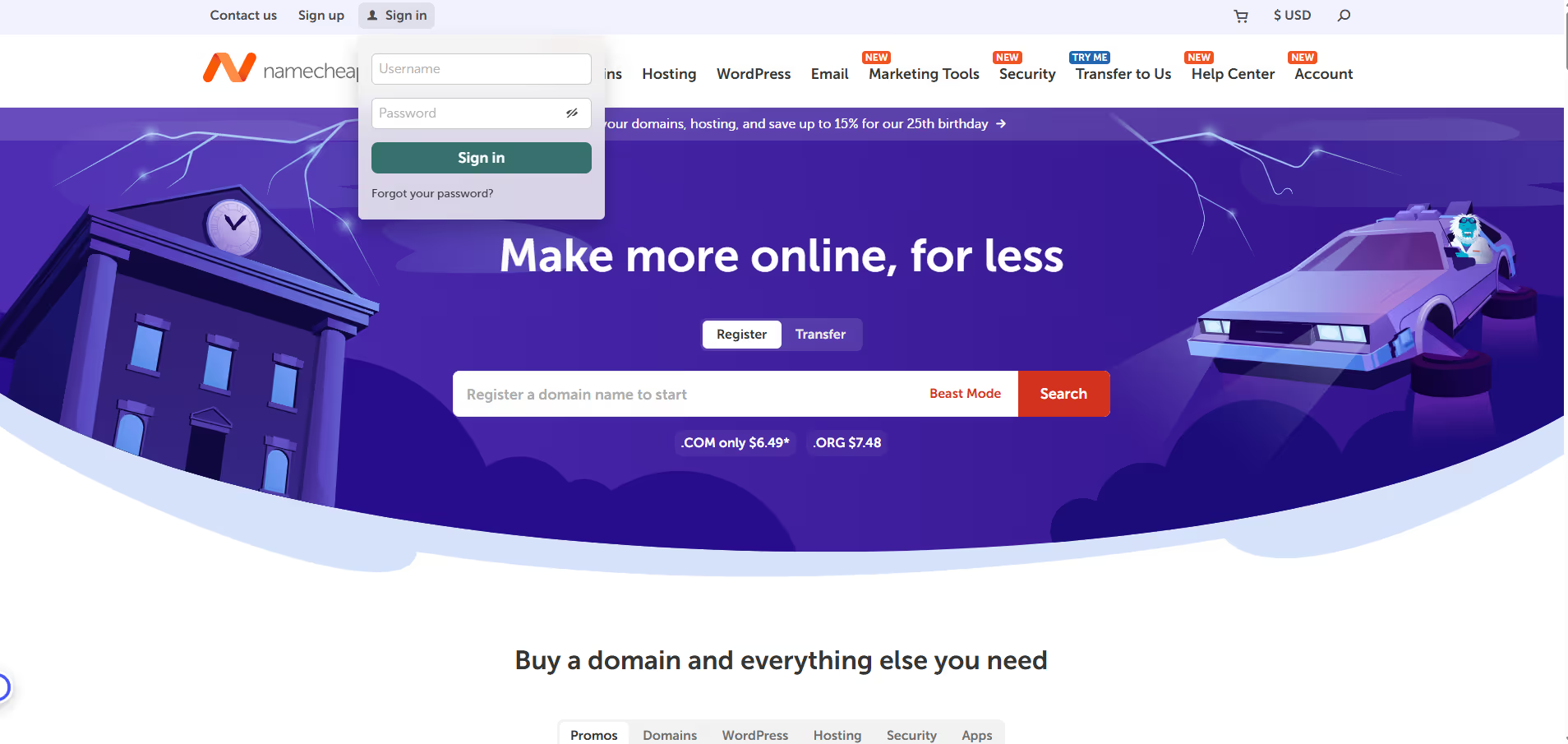
NameCheap is a leading domain registration and web hosting provider offering affordable domains, SSL certificates, and hosting solutions. It provides shared hosting, WordPress hosting, VPS, and dedicated servers, along with an intuitive control panel for managing websites and domains. NameCheap emphasizes ease of use, reliability, and customer support, making it suitable for individuals, startups, and small businesses. Features include free domain privacy protection, one-click app installations, email hosting, and security tools. With competitive pricing, fast servers, and a focus on customer satisfaction, NameCheap is an ideal choice for anyone looking to register domains, build websites, and maintain a professional online presence.
Pros & Cons:
Pros
Cons
✔️ Affordable domain registration and hosting.
✖️ Some advanced hosting features limited on lower-tier plans.
✔️ Free domain privacy protection.
✖️ Occasional upsells during checkout.
✔️ Easy-to-use dashboard and 24/7 support.
✖️ Limited performance for very high-traffic websites.
Bottom Line: NameCheap is a cost-effective and user-friendly platform for domain registration and hosting, ideal for small businesses and individuals seeking reliable services, security, and ease of management.
GreenGeeks is a web hosting platform known for its environmentally-friendly hosting approach, powering websites using 300% renewable energy. It provides shared, VPS, and WordPress hosting with high performance, security, and easy scalability. Users get access to features such as free SSL certificates, daily backups, one-click installations for popular CMS platforms, and a user-friendly control panel. GreenGeeks also emphasizes website speed and uptime, providing optimized servers and caching technology. With 24/7 customer support and a focus on sustainability, it’s an ideal choice for individuals and businesses seeking reliable, eco-conscious hosting solutions.
Pros & Cons:
Pros
Cons
✔️ Eco-friendly hosting powered by renewable energy.
✖️ Fewer global server locations compared to some competitors.
✔️ Fast servers and reliable uptime.
✖️ Some advanced features require higher-tier plans.
✔️ User-friendly control panel with automated backups.
✖️ Customer support can be slower during peak times.
Bottom Line: GreenGeeks provides fast, secure, and eco-conscious web hosting for individuals and businesses, combining performance, user-friendly management, and sustainability in one platform.








.svg)
.svg)
.svg)








.avif)
.avif)

.avif)

.avif)

.jpeg)