


| Pros | Cons |
|---|---|
| ✔️ Affordable pricing with plans starting at $2.99/month. :contentReference[oaicite:11]{index=11} | ✖️ Renewal rates can be higher than initial pricing. :contentReference[oaicite:12]{index=12} |
| ✔️ User-friendly hPanel control panel. :contentReference[oaicite:13]{index=13} | ✖️ Limited dedicated hosting options. :contentReference[oaicite:14]{index=14} |
| ✔️ 24/7 customer support via live chat. :contentReference[oaicite:15]{index=15} | Bottom Line: Hostinger offers a compelling combination of affordability, performance, and user-friendly features, making it an excellent choice for individuals and small businesses looking to establish an online presence without breaking the bank. Try It NowCloudwaysFounded in 2012 and acquired by DigitalOcean in 2022, Cloudways enables users to deploy applications on cloud infrastructure providers like DigitalOcean, AWS, Google Cloud, Linode, and Vultr. It abstracts away server management complexities, allowing users to focus on application development. Key features include a custom control panel, one-click staging, automated backups, and integrated caching solutions. However, some users have reported issues with CPU usage, support responsiveness, and add-on costs.  Pros & Cons:Bottom Line: Cloudways offers a flexible and scalable cloud hosting solution, ideal for developers and agencies seeking managed hosting without the complexities of server management. While it provides robust features and performance, users should be aware of potential add-on costs and resource limitations on lower-tier plans. WP EngineEstablished in 2010 and headquartered in Austin, Texas, WP Engine specializes in hosting WordPress websites. It leverages Google Cloud infrastructure and offers a suite of tools tailored for developers, agencies, and enterprises. 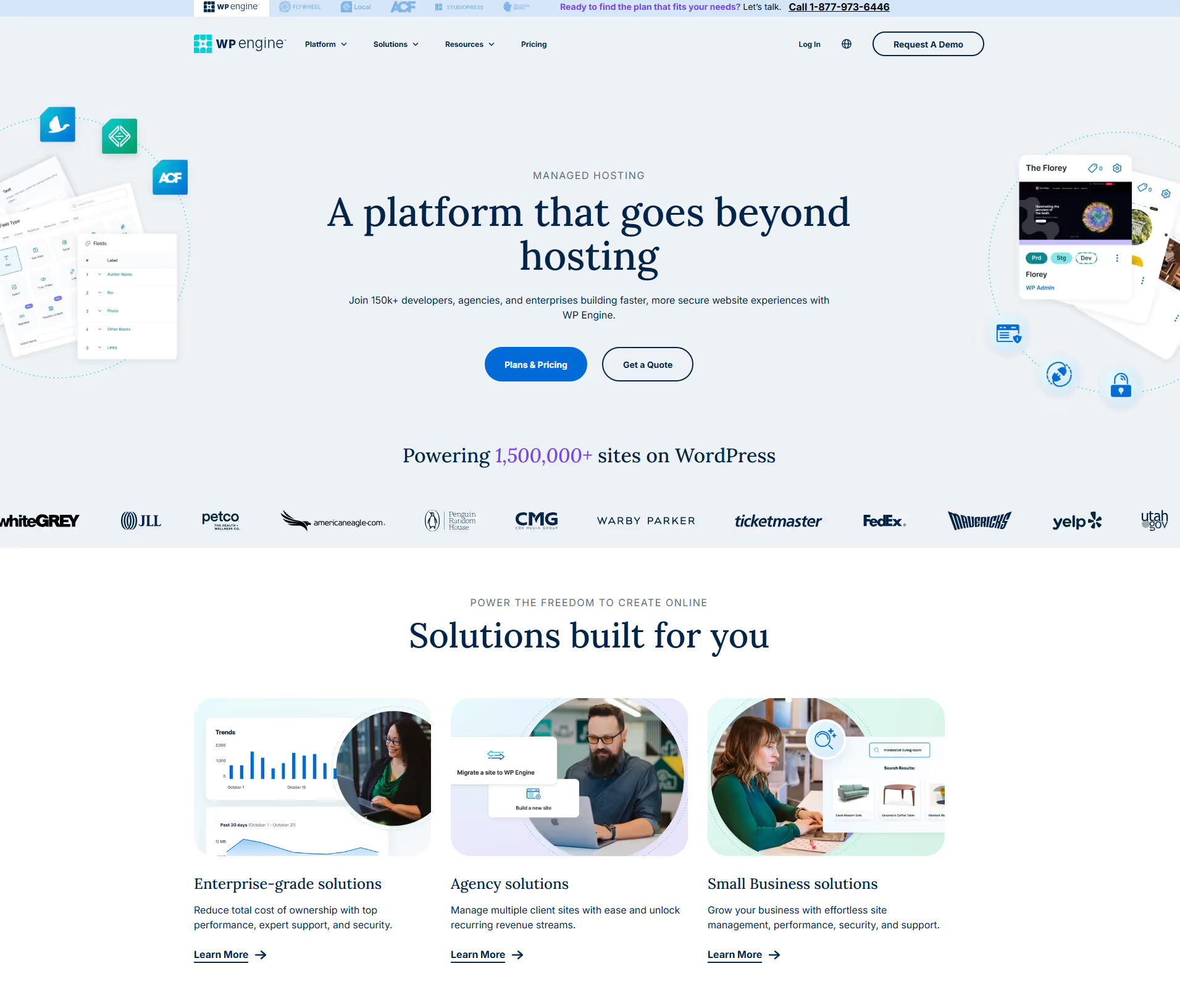 Pros & Cons:Bottom Line: WP Engine offers robust hosting solutions with a focus on speed, security, and scalability. While the initial pricing is competitive, it's important to consider the renewal rates when planning your long-term hosting needs. KinstaBuilt on Google Cloud's C2 and C3D virtual machines, Kinsta offers high-performance hosting with features like automatic updates, free migrations, and 24/7 expert support. Its user-friendly MyKinsta dashboard simplifies site management, making it ideal for businesses and agencies. 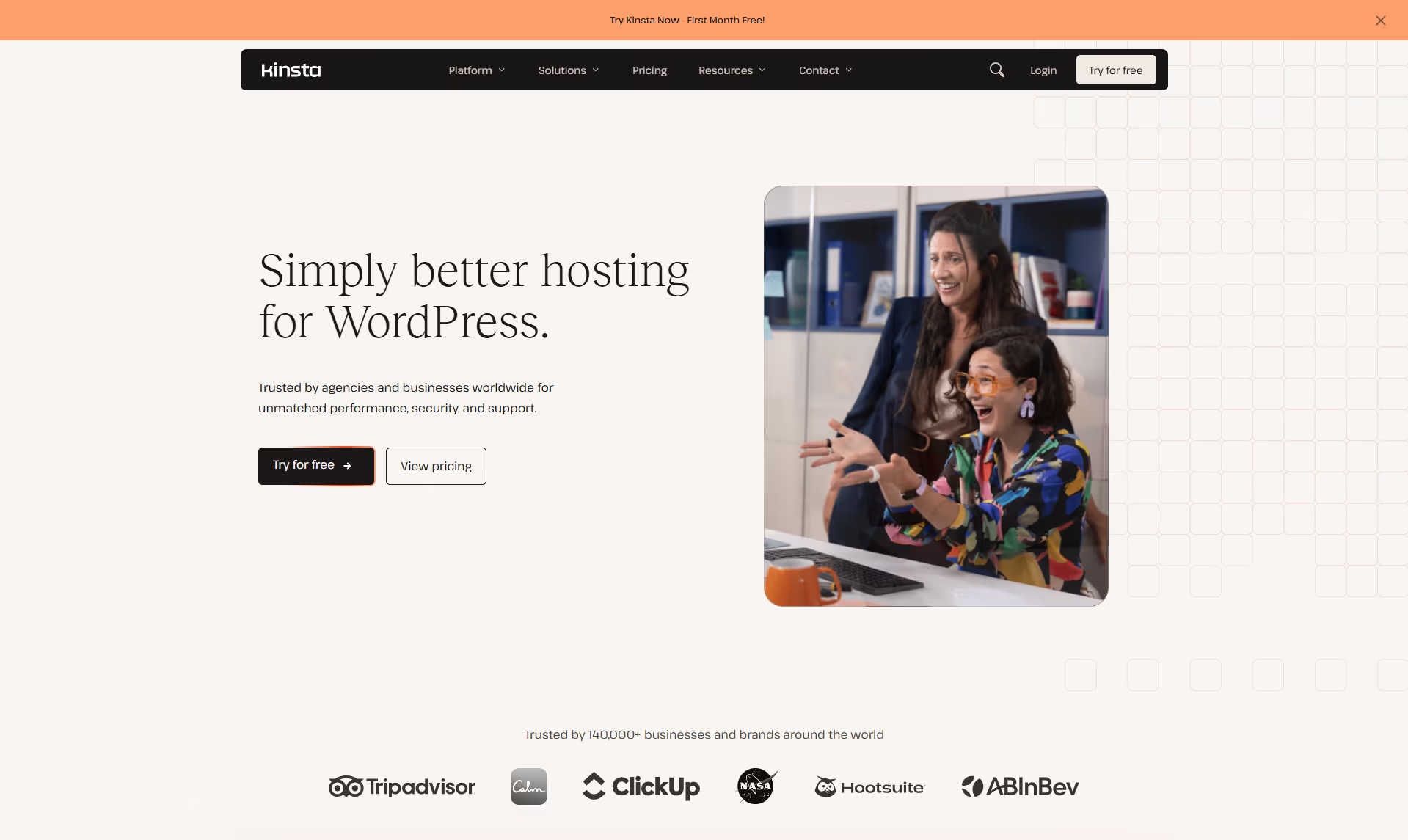 Pros & Cons:Bottom Line: Kinsta offers robust hosting solutions with a focus on speed, security, and scalability. While the initial pricing is competitive, it's important to consider the renewal rates when planning your long-term hosting needs. SiteGroundSiteGround provides a range of hosting services, including shared, cloud, and WordPress hosting, all built on Google Cloud infrastructure. With features like SuperCacher technology, free CDN, daily backups, and advanced security measures, SiteGround ensures optimal performance and reliability for your website. 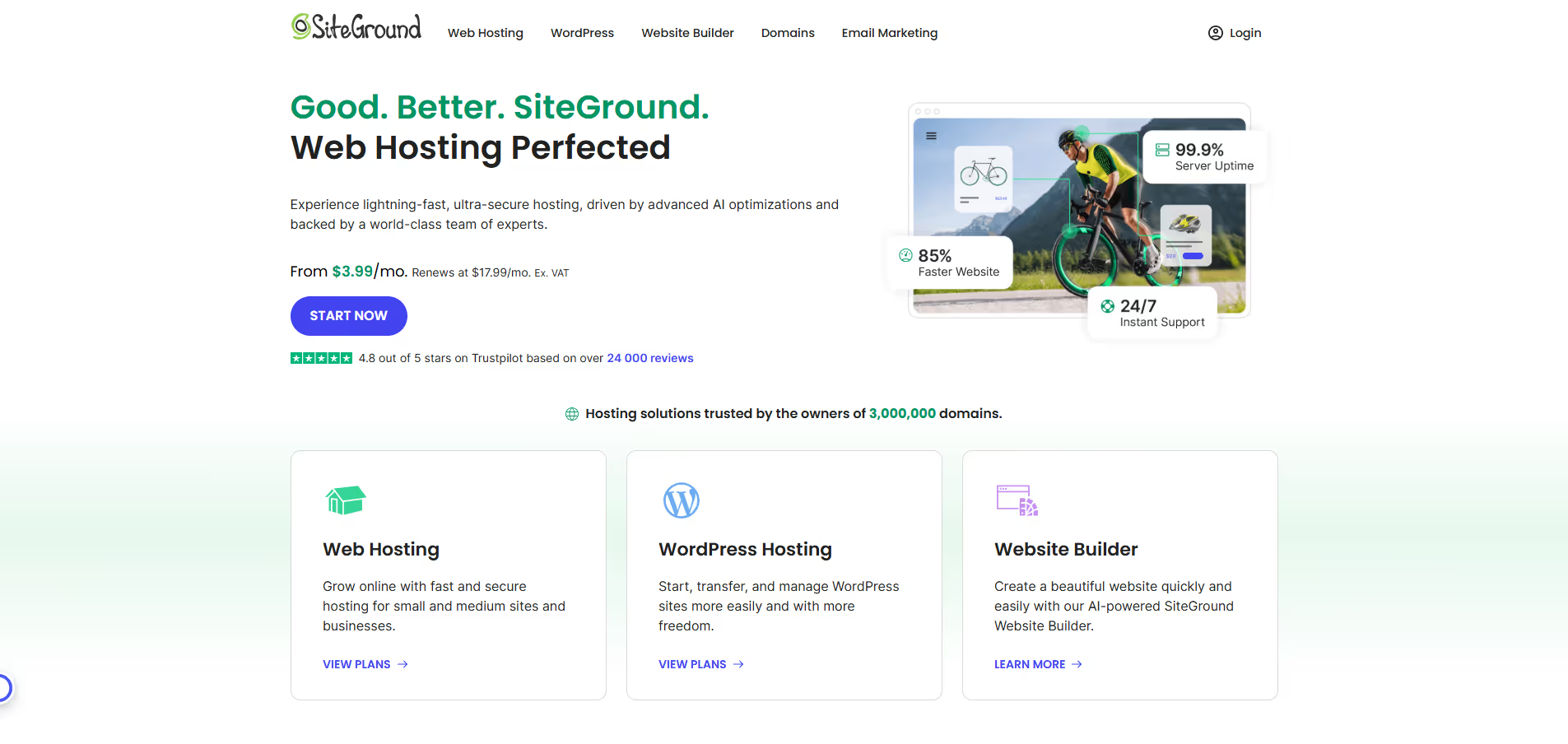 Pros & Cons:BluehostBluehost provides a range of hosting services, including shared, VPS, and dedicated hosting, all integrated with AI tools to enhance website performance and management. With features like automated updates, AI-driven site builders, and robust security measures, Bluehost caters to both beginners and experienced developers seeking reliable and efficient hosting solutions. 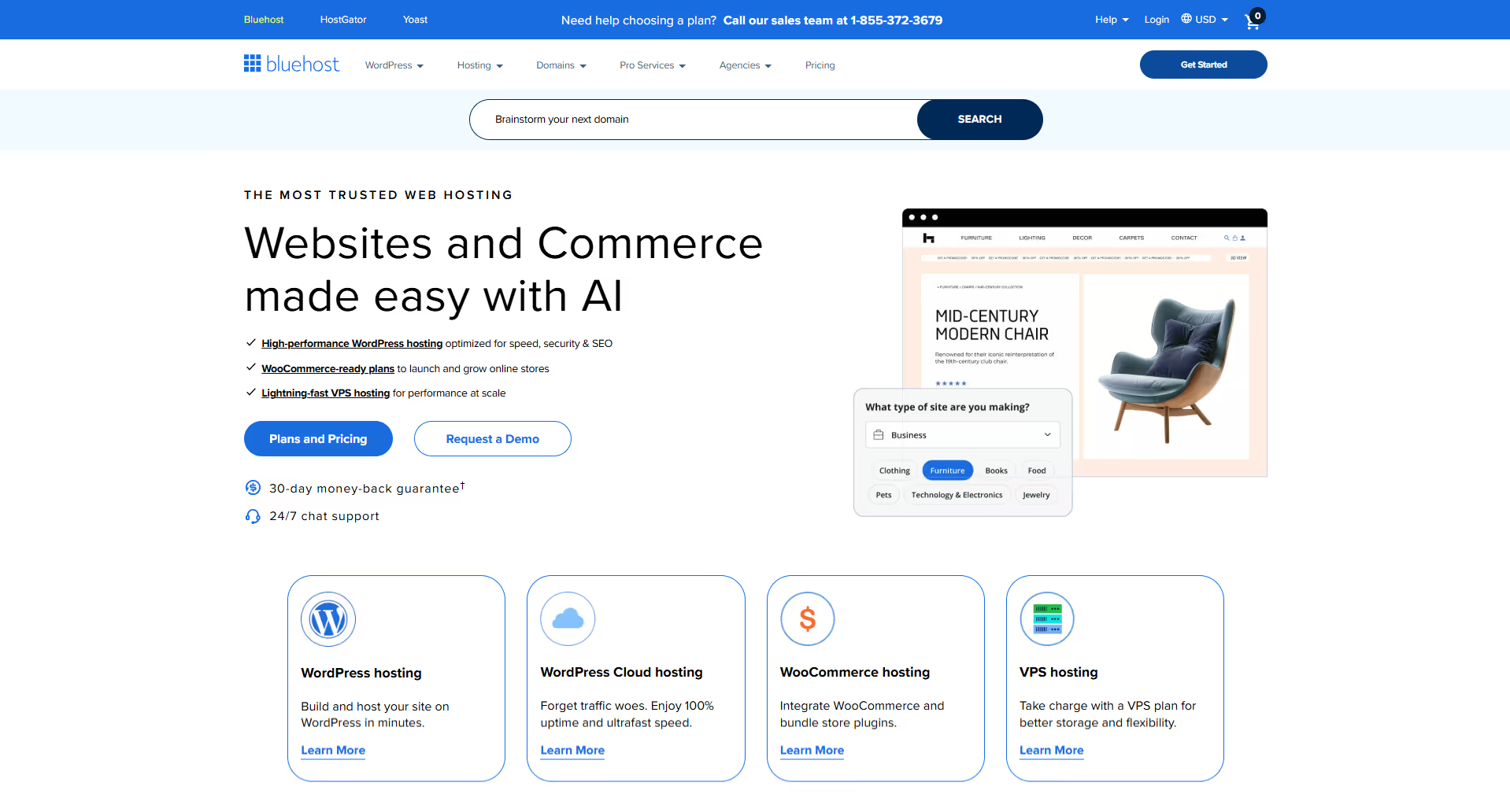 Pros & Cons:Bottom Line: Bluehost stands out for its user-friendly interface, AI-driven tools, and comprehensive support, making it an excellent choice for individuals and small businesses looking to establish a strong online presence. A2 HostingA2 Hosting is a high-performance web hosting platform built to deliver exceptional speed, reliability, and security for websites of all sizes. Designed for developers, businesses, and content creators alike, it offers hosting options such as Shared, VPS, WordPress, and Dedicated Servers. The platform is powered by Turbo Servers, which can load sites up to 20x faster than standard hosting. A2 Hosting also provides free site migrations, automated backups, 99.9% uptime commitment, and strong customer support through its “Guru Crew.” Whether you’re launching a new blog, managing an eCommerce store, or running complex web applications, A2 Hosting provides the scalability and speed needed to keep your online presence running smoothly. 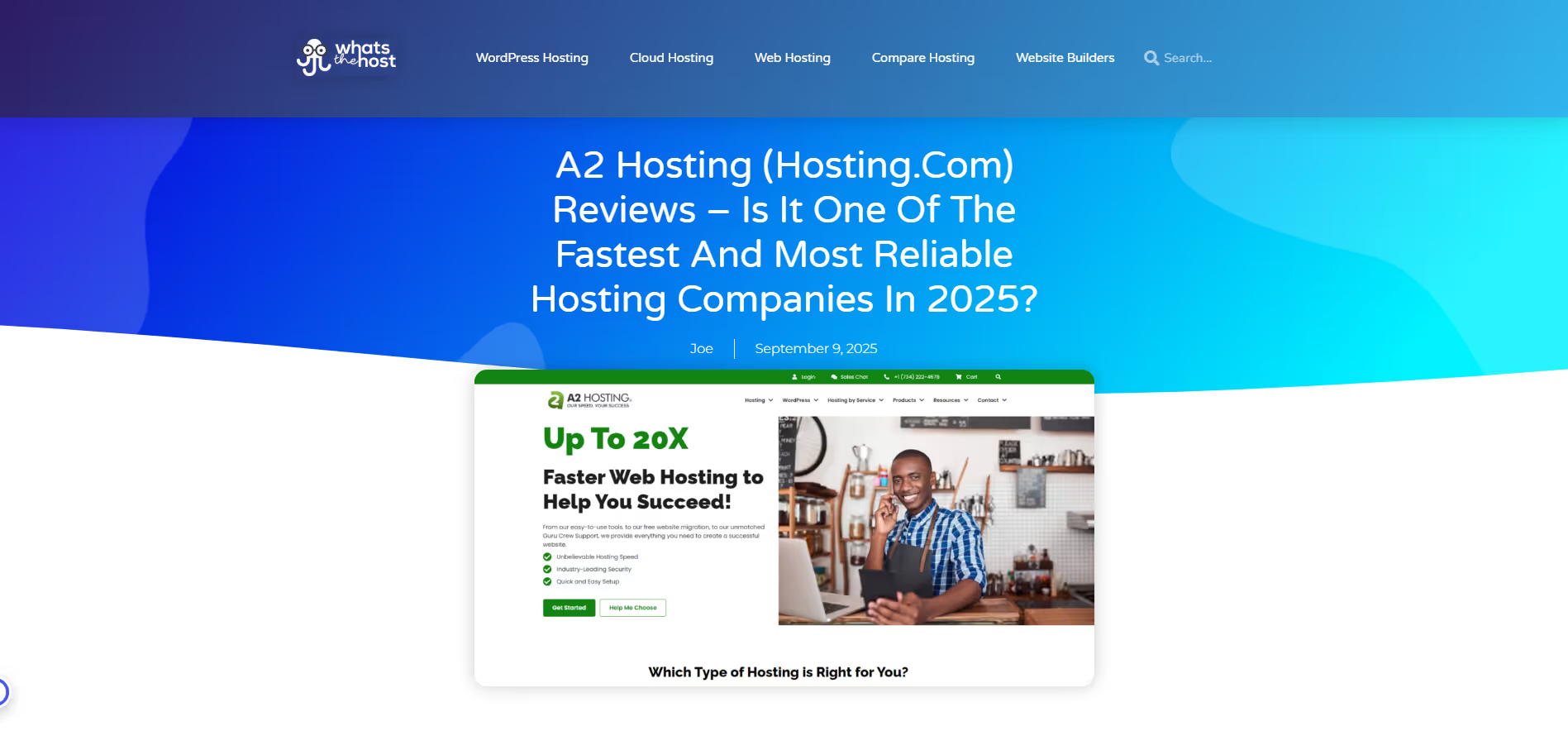 Pros & Cons:Bottom Line: A2 Hosting is a fast, developer-friendly web host ideal for growing websites and small businesses seeking reliability and speed. Comparison TableToolBest ForProsConsPricingGet itConclusion Frequently ask questionNo items found.    .svg) .svg) |
.svg)








.avif)
.avif)

.avif)

.avif)

.jpeg)