Best for healthcare trainers, compliance officers, clinical educators
Zollege
:
Best for educators, administrators, vocational trainers
Articulate 360
:
Best for educators, trainers, instructional designers
LaunchBox (Metadata Manager)
:
Best for developers, metadata specialists, content managers
Twyne
:
Best for video creators, social‑media marketers, content producers
TeachBoost
:
Best for teachers, instructional coaches, school administrators
Flip AI
:
Best for IT operations teams, developers, support engineers
Veeva Vault
:
Best for pharmaceutical teams, compliance managers, medical specialists
BePresent App
:
Best for remote teams, productivity seekers, professionals
Mini Apps AI
:
Best for developers, creators, no‑code innovators
Workflow 360
:
Best for operations managers, workflow administrators, business developers
Shoflo
:
Best for event planners, production coordinators, media teams
Radar Healthcare
:
Best for nonprofit teams, employee‑engagement coordinators, HR professionals
Aha!
:
Best for photographers, designers, creative artists
TOPdesk
:
Best for IT support specialists, developers, QA engineers
Humanios
:
Best for HR leaders, employee‑experience managers, wellness teams
Resource Guru
:
Best for project managers, creative teams, resource planners
WebDrive
:
Best for IT teams, file‑sharing specialists, cloud managers
RLDatix
:
Best for healthcare compliance teams, risk managers, hospital administrators
WhenIsGood
:
Best for event organizers, meeting planners, scheduling professionals
InfoManager
:
Best for data administrators, IT departments, information managers
Planr
:
Best for planners, project managers, team coordinators
Visual CertExam Manager
:
Best for IT trainers, certification students, network engineers
Marblism
:
Best for product designers, 3D artists, creative teams
Cloud9HR
:
Best for HR leaders, payroll administrators, enterprise staffs
uAttend (Time Clock)
:
Best for HR clerks, operations teams, time‑tracking managers
CleanShot X
:
Best for content creators, bloggers, designers
Linear
:
Best for product managers, software teams, developers
RTASK (RTasks)
:
Best for healthcare providers, case managers, assisted‑living staff
ClickUp
:
Best for project managers, remote teams, productivity leaders
Media Shuttle
:
Best for media teams, production studios, file‑transfer users
Solvo
:
Best for cloud Security, Privacy & Backup professionals, DevOps teams, IT engineers
Wishup
:
Best for virtual assistants, busy professionals, entrepreneurs
ZyBooks
:
Best for educators, students, STEM learners
Markup.io
:
Best for designers, creative agencies, marketing teams
PTO Tracker
:
Best for HR teams, shift supervisors, attendance managers
OrgVue
:
Best for HR professionals, workforce analysts, business leaders
Airtable
:
Best for project managers, creators, collaboration teams
Board Portal
:
Best for executives, board members, administrators
ContextWise
:
Best for marketing analysts, data scientists, AI researchers
RabbitSign
:
Best for legal professionals, compliance officers, contract specialists
PaceHR
:
Best for HR teams, recruiters, HR administrators
Dude Solutions (Brightly)
:
Best for facility managers, operations teams, asset coordinators
Vondy AI
:
Best for writers, readers, creative professionals
FireRoster
:
Best for fire departments, emergency services, operations planners
NetDuty
:
Best for emergency‑services coordinators, shift managers, public officials
MetroRetro
:
Best for facilitators, remote teams, collaboration managers
Schedule360
:
Best for nurse managers, hospital schedulers, healthcare administrators
Canea
:
Best for compliance managers, process specialists, enterprise teams
MyClinicalExchange
:
Best for medical students, healthcare institutions, clinical coordinators
ShiftLab
:
Best for retail teams, workforce managers, operations specialists
Altametrics Schedules
:
Best for restaurant owners, shift managers, food‑service operators
Aladtec
:
Best for emergency‑service teams, workforce schedulers, public safety units
Lightspeed Classroom
:
Best for teachers, educators, classroom managers
eSchedule
:
Best for schedulers, healthcare admins, facility coordinators
Zoho Shifts
:
Best for workforce schedulers, HR departments, operations teams
OpenExams
:
Best for students, educators, training coordinators
Flomo
:
Best for note takers, productivity users, journaling enthusiasts
MetricStream
:
Best for compliance managers, auditors, risk professionals
Documentum
:
Best for enterprises, document managers, legal teams
HRHQ
:
Best for HR professionals, business coaches, talent managers
ETQ Reliance
:
Best for quality managers, compliance officers, manufacturing teams
ANSOS
:
Best for hospital scheduling teams, nurse managers, staff planners
IntelliTime
:
Best for workforce managers, HR teams, scheduling coordinators
Podio
:
Best for project managers, collaboration teams, enterprise users
ESO Scheduling
:
Best for emergency‑service providers, healthcare teams, schedulers
Vimcal
:
Best for executives, productivity users, scheduling professionals
Avaya Cloud Office
:
Best for call‑center teams, communication professionals, enterprise users
Solides
:
Best for HR leaders, recruiters, talent managers
Checkster
:
Best for recruiters, HR specialists, staffing agencies
Archibus
:
Best for facility managers, building operators, workplace coordinators
ThinkWave
:
Best for teachers, educators, school administrators
Litera Compare
:
Best for legal professionals, compliance managers, law firms
Shapescale
:
Best for fitness enthusiasts, personal trainers, health coaches
Viva Learning
:
Best for corporate learners, internal trainers, HR departments
Labguru
:
Best for laboratory managers, researchers, scientists
PhilRx
:
Best for pharmacists, healthcare administrators, prescription teams
Mineral HR
:
Best for HR professionals, compliance officers, business leaders
IEX Cloud
:
Best for financial analysts, data scientists, investors
Performance Pro
:
Best for HR managers, team leaders, organizational developers
Exxat
:
Best for educators, medical schools, training coordinators
Genei
:
Best for researchers, writers, knowledge professionals
ServiceNow ITSM
:
Best for IT service managers, enterprise support teams, help‑desk staff
Swivle
:
Best for creative teams, designers, marketing professionals
SageHR
:
Best for HR teams, business managers, enterprise professionals
Ministry Scheduler Pro
:
Best for church leaders, volunteer coordinators, ministry staff
Vondy
:
Best for writers, marketers, creative professionals
BoardDocs
:
Best for educators, school administrators, board members
DocStar
:
Best for administrators, record managers, document controllers
CleanShot
:
Best for creators, educators, productivity experts
MasteryConnect
:
Best for teachers, schools, education leaders
Circuit for Teams
:
Best for collaboration teams, communication professionals, remote workers
ProductHub
:
Best for product managers, entrepreneurs, innovation leaders
Smartsheet
:
Best for project managers, teams, business planners
ZoomShift
:
Best for workforce schedulers, HR departments, retail managers
BioRAFT
:
Best for lab managers, compliance officers, research staff
Flowtrack
:
Best for marketers, sales teams, automation specialists
Obsidian
:
Best for writers, researchers, note‑taking professionals
Orbital Shift
:
Best for workforce managers, scheduling teams, ops leaders
Floot AI
:
Best for AI developers, researchers, data teams
OrgVue
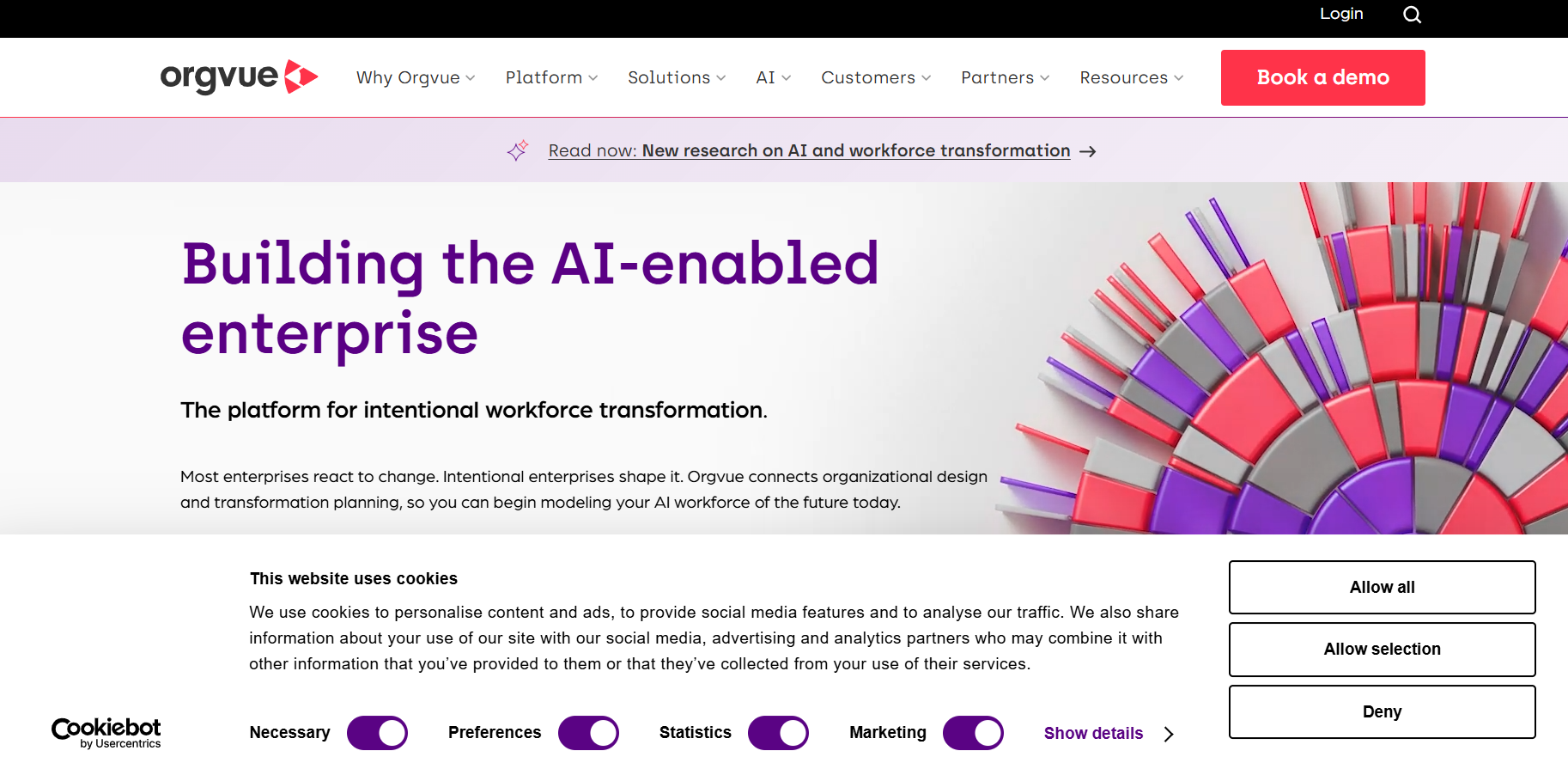
OrgVue offers workforce analytics and organization‑design software that helps HR leaders model scenarios and plan future‑ready structures. It provides data‑driven insights for strategic decision‑making.
Pros & Cons:
OrgVue visualizes workforce structure and people analytics to guide strategic HR and transformation decisions.
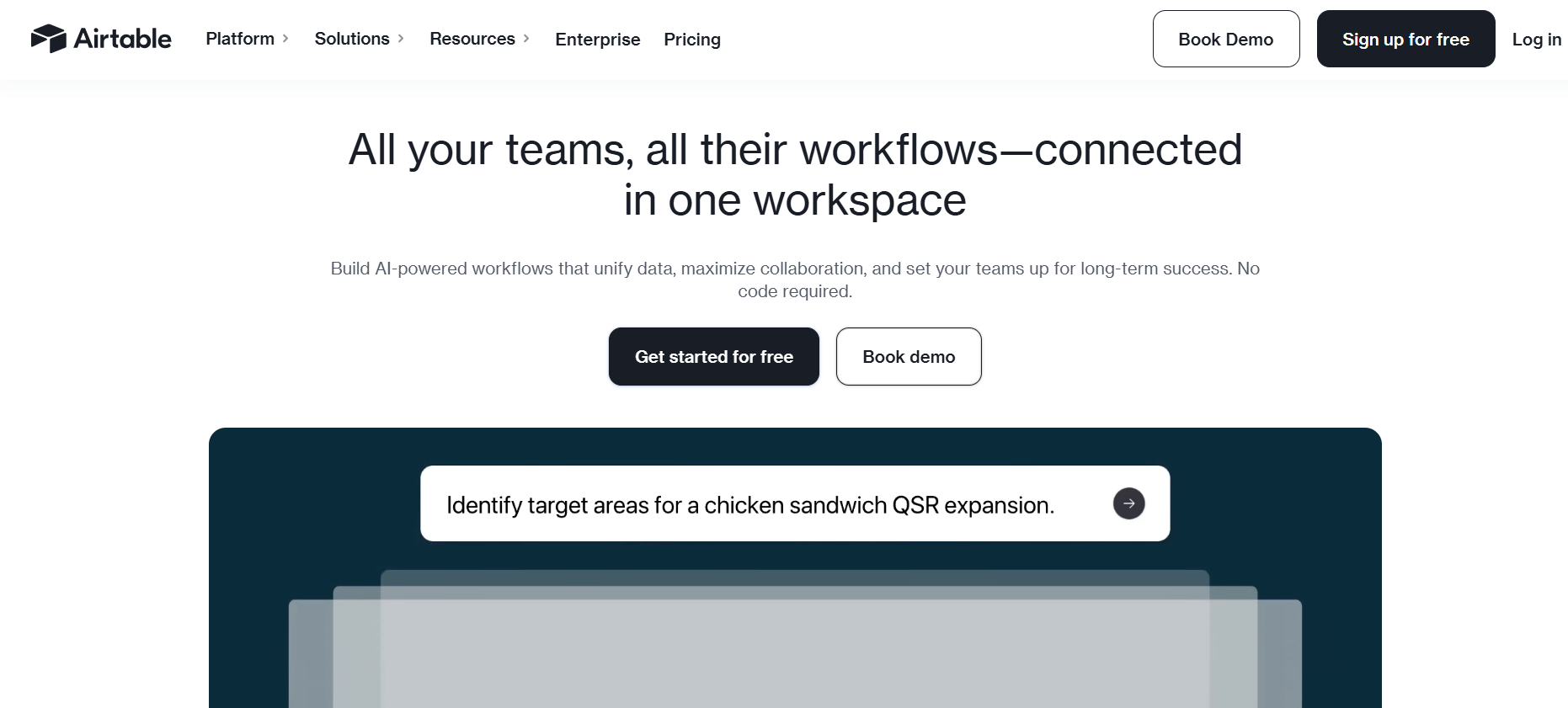
Airtable combines the simplicity of spreadsheets with relational‑database functionality for project and content organization. Teams use it to manage workflows, collaborations, and data visualization.
Pros & Cons:
Airtable combines spreadsheet simplicity with database power for collaborative project tracking and automation.
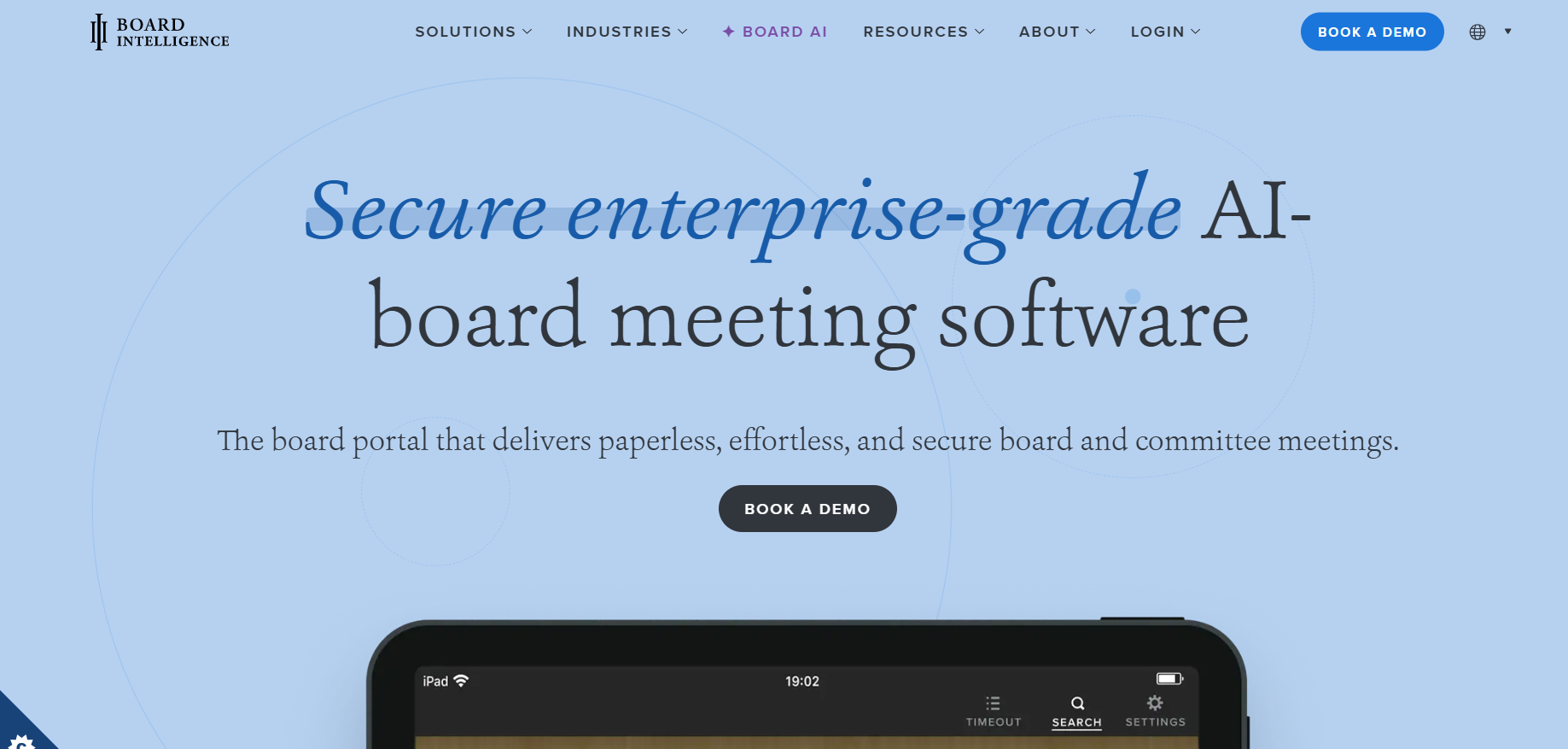
Board Portal digitizes meeting management for boards and committees. Members access secure agendas, files, and voting tools, ensuring governance efficiency and confidentiality.
Pros & Cons:
Board Portal digitizes board governance with secure access to agendas, documents, and meeting minutes.
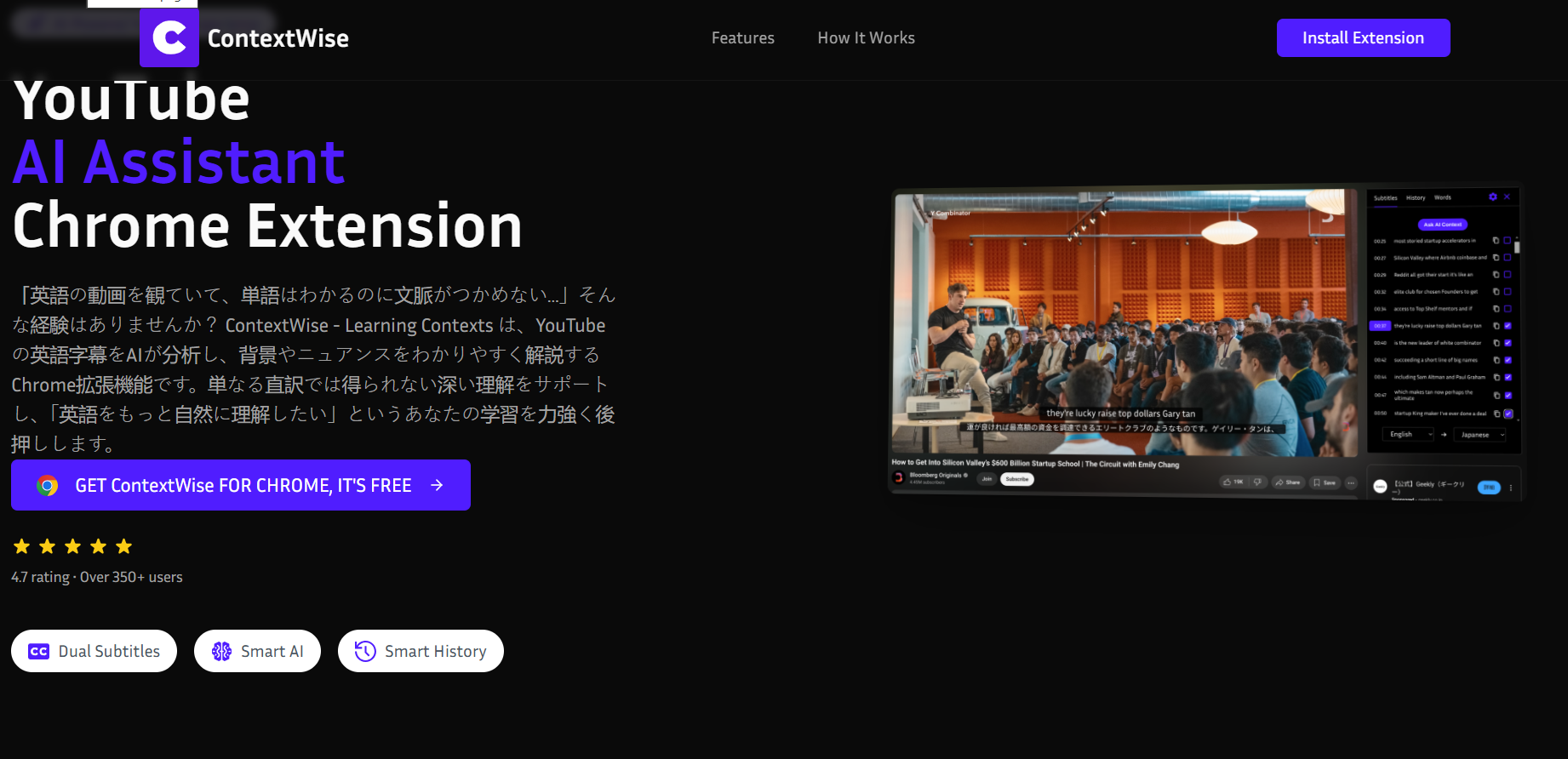
ContextWise personalizes digital‑content delivery for streaming services and publishers. Its AI recommends media based on user behavior, increasing engagement and viewer satisfaction.
Pros & Cons:
ContextWise surfaces personalized digital content recommendations to improve user engagement.
RabbitSign enables users to send, receive, and manage electronic signatures securely for free. Its simple interface reduces friction in document approvals, making signing fast and legal.
Pros & Cons:
RabbitSign delivers free, secure electronic‑signature functionality that speeds document turnaround.
PaceHR simplifies performance reviews, feedback cycles, and HR analytics for growing companies. It strengthens company culture through transparent goal‑setting and progress measurement.
Pros & Cons:
PaceHR simplifies performance reviews and HR analytics for growing teams seeking data‑driven people insights.
Dude Solutions (Brightly) delivers asset, maintenance, and operations software for schools, hospitals, and municipalities. It enables data‑driven planning, preventive maintenance, and sustainability improvements.
Pros & Cons:
Dude Solutions (Brightly) delivers cloud‑based asset and maintenance management for schools, hospitals, and cities.
Vondy AI curates bite‑sized lessons and expert courses personalized for professionals. Its AI insights create skill‑development roadmaps that fit individual career aspirations.
Pros & Cons:
Vondy AI curates subject‑specific micro‑lessons guided by generative AI tutors.
FireRoster helps fire departments manage shift scheduling, certifications, and availability. It simplifies complex staffing patterns while ensuring compliance with departmental rules.
Pros & Cons:
FireRoster helps fire departments manage crew assignments, on‑call scheduling, and operational readiness.









.svg)
.svg)
.svg)


.png)


.png)


.svg)



.png)
.png)
.png)

.png)